


Hey there! As a supplier of Three Sides Seal Bags, I often get asked about the heat - sealing temperature range for these nifty little bags. So, I thought I'd take a moment to break it down for you all.
First off, let's understand what three sides seal bags are. These are bags that are sealed on three of their four sides, leaving one side open for filling. They're super common in all sorts of industries, from food to cosmetics, because they're easy to make, fill, and they can hold a decent amount of stuff.
Now, the heat - sealing temperature range is a crucial factor. It's not just about melting the plastic to seal the bag; it's about doing it right so that the seal is strong, leak - proof, and doesn't damage the contents inside.
The heat - sealing temperature for three sides seal bags can vary quite a bit depending on a few key factors. The type of material the bag is made from is the most important one.
Polyethylene (PE) Bags
Polyethylene is one of the most commonly used materials for three sides seal bags. There are different types of PE, like Low - Density Polyethylene (LDPE) and High - Density Polyethylene (HDPE).
For LDPE bags, the heat - sealing temperature typically ranges from 120°C to 180°C. LDPE is a more flexible material, and it has a relatively low melting point. When you're sealing LDPE bags, you don't need to crank up the heat too much. If the temperature goes above 180°C, you might end up with a burned - looking seal or even damage the bag's integrity. On the other hand, if it's below 120°C, the seal might not be strong enough, and the bag could easily come apart.
HDPE, on the other hand, is a bit more rigid and has a higher melting point. The heat - sealing temperature for HDPE three sides seal bags usually falls between 160°C and 220°C. Since HDPE is denser, it needs more heat to melt and form a proper seal. But again, you have to be careful not to overdo it. Going over 220°C can cause the plastic to degrade and lose its strength.
Polypropylene (PP) Bags
Polypropylene is another popular material for these bags. PP bags are known for their clarity, stiffness, and resistance to heat. The heat - sealing temperature range for PP three sides seal bags is typically between 180°C and 240°C.
PP has a higher melting point compared to PE, so you need to use more heat to seal it. At temperatures below 180°C, the seal won't be well - formed, and the bag might leak. But if you go above 240°C, you risk warping the bag or creating a brittle seal that could break easily.

Other Factors Affecting Heat - Sealing Temperature
It's not just the material that matters. The thickness of the bag also plays a role. Thicker bags generally require higher temperatures to seal properly. A thin LDPE bag might seal well at 120°C, but a thicker one might need 150°C or more.
The speed of the sealing process can also affect the temperature. If you're sealing bags quickly on a high - speed production line, you might need to increase the temperature slightly to ensure a good seal in a short amount of time.
And let's not forget about the environment. Humidity and temperature in the production area can have an impact. In a humid environment, the plastic might absorb some moisture, which can change its melting characteristics. So, you might need to adjust the sealing temperature accordingly.
Comparing with Other Types of Bags
Now, it's interesting to compare the heat - sealing temperature requirements of three sides seal bags with other types of bags. For example, Middle Seal Bag has a different sealing mechanism. Middle seal bags are sealed down the middle, creating a tube - like structure. The heat - sealing temperature for middle seal bags can be similar to that of three sides seal bags if they're made from the same material, but the sealing process might be a bit different.
Quad Seal Bag is another type. These bags are sealed on all four sides and often have a more complex shape. The heat - sealing temperature for quad seal bags can also vary based on the material, but because of their more intricate design, you might need to be more precise with the temperature and the sealing pressure.
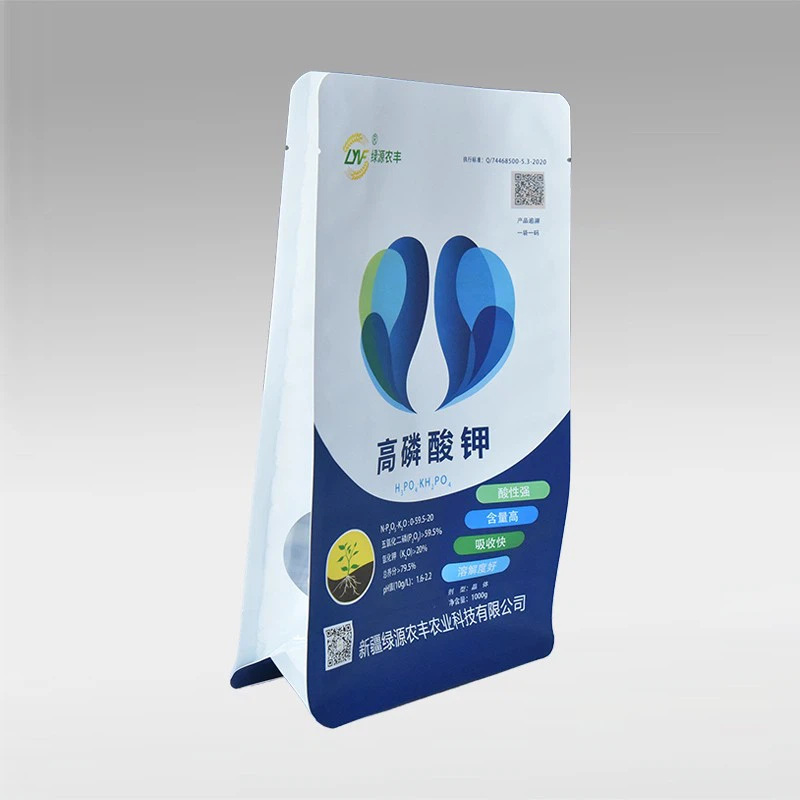
Stand Up Pouches are yet another popular option. They're designed to stand upright on shelves, which means they need a strong bottom seal. The heat - sealing temperature for stand - up pouches is also influenced by the material, but they might require a slightly different approach to ensure a good seal on the bottom and the sides.
Testing and Quality Control
As a supplier, we always do a lot of testing to find the perfect heat - sealing temperature for our three sides seal bags. We use specialized equipment to measure the temperature accurately and to test the strength of the seals.
We start by making a small batch of bags at different temperature settings. Then, we do some basic tests, like pulling on the seals to see if they break and checking for leaks. We also look at the appearance of the seals. A good seal should be smooth, uniform, and free of any signs of burning or warping.
Once we find the optimal temperature range for a particular batch of bags, we make sure to document it. This way, we can reproduce the same high - quality seals every time we produce more bags.
Conclusion
So, to sum it up, the heat - sealing temperature range for three sides seal bags depends mainly on the material (like PE, PP), the thickness of the bag, the speed of the sealing process, and the environmental conditions. For LDPE bags, it's around 120°C - 180°C, for HDPE it's 160°C - 220°C, and for PP it's 180°C - 240°C.
If you're in the market for high - quality three sides seal bags and want to learn more about the heat - sealing process or any other aspects of our products, don't hesitate to reach out. We're here to help you find the perfect packaging solution for your needs. Whether you're in the food industry, cosmetics, or any other business that requires reliable packaging, we've got you covered.
Let's have a chat about your specific requirements and see how we can work together to make your products stand out on the shelves. Contact us for more details and to start a great partnership!
References
- Packaging Materials Handbook: Covers different types of plastics used in packaging and their properties.
- Industrial Packaging Technology Journals: Provide insights into heat - sealing processes and best practices.


