


Hey there! As a supplier of seafood packaging bags, I often get asked about the maximum weight these bags can hold. It's a crucial question, especially for those in the seafood industry who need to ensure their products are safely and securely packaged. So, let's dive right into it and explore this topic in detail.
Factors Affecting the Maximum Weight Capacity
First off, it's important to understand that the maximum weight a seafood packaging bag can hold isn't a one - size - fits - all answer. There are several factors that come into play.
Material of the Bag
The material is a major determinant. We offer bags made from different materials, such as polyethylene (PE), polypropylene (PP), and laminated films. PE bags are quite common. They're flexible, have good moisture resistance, and are relatively inexpensive. For lighter loads of seafood, say up to 5 kilograms, a standard PE bag can do the job just fine. However, if you're dealing with heavier catches, like large fish or bulk quantities of shellfish, you might want to consider a laminated film bag. These are stronger and can withstand more weight, often up to 10 - 15 kilograms.
Bag Thickness
Thickness also matters a great deal. Thicker bags are generally stronger and can hold more weight. A thin PE bag, around 0.02mm thick, might be suitable for small, light seafood items like shrimp or small crabs, with a weight limit of maybe 1 - 2 kilograms. On the other hand, a thicker bag, say 0.05mm or more, can handle larger and heavier fish, perhaps up to 8 kilograms or so.
Bag Design
The design of the bag plays a role too. Bags with reinforced seams are stronger and can hold more weight. For example, a bag with double - stitched seams can distribute the weight more evenly and is less likely to tear under pressure. Also, bags with a wider base provide more stability when filled with heavy seafood. This is especially important if you're stacking the bags or transporting them over long distances.
Testing the Weight Capacity
We don't just make claims about the weight capacity of our bags. We conduct rigorous testing to ensure they meet our standards. We fill the bags with weights equivalent to the maximum capacity we claim and then subject them to various conditions. For example, we might stack the filled bags to see if they can withstand the pressure of being on top of each other. We also test them for durability during transportation by simulating vibrations and impacts.
Comparing with Other Food Packaging Bags
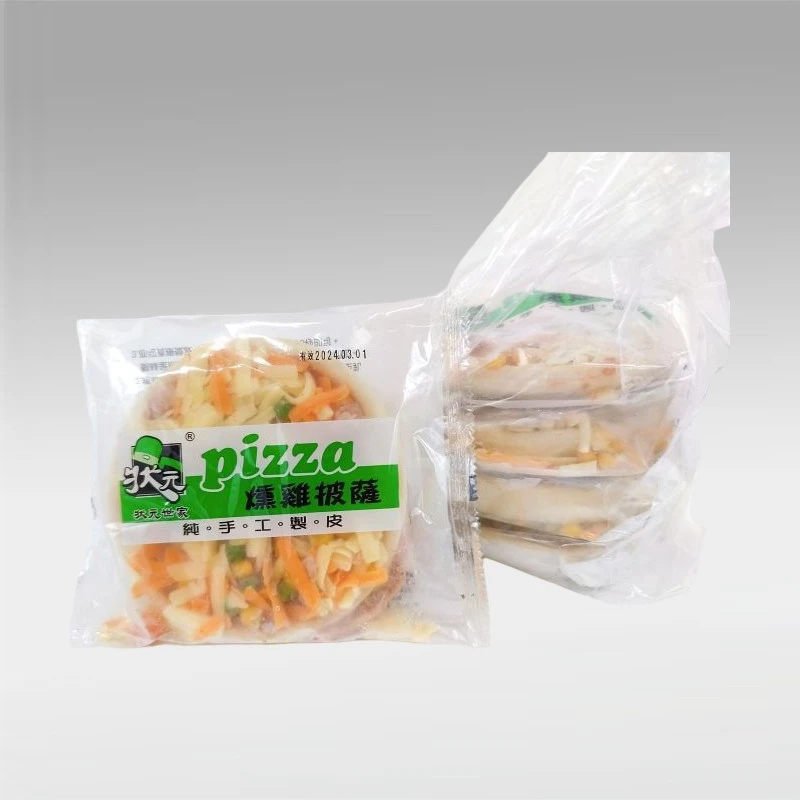
It's interesting to compare seafood packaging bags with other types of food packaging bags. For instance, Pizza Frozen Food Packaging Bags are designed mainly to hold flat, relatively light pizza pies. Their weight capacity is usually much lower, often around 1 - 3 kilograms, depending on the size of the pizza. They're more focused on keeping the pizza fresh and preventing it from getting damaged during storage and transportation.
Meat Packing Bags are similar to seafood packaging bags in some ways. They need to be strong enough to hold the weight of the meat, which can vary from small cuts to large roasts. However, meat often has a different texture and moisture content compared to seafood, so the bags might have different requirements in terms of oxygen and moisture barrier properties.
Vegetable Packing Bags are generally used for lighter loads. Vegetables are usually less dense than seafood or meat, so the bags can be thinner and have a lower weight capacity, typically up to 5 kilograms for bulk vegetables.
Practical Considerations in the Seafood Industry
In the real - world seafood industry, it's not just about the maximum weight the bag can hold. There are other practical considerations. For example, if you're packing live seafood, the bag needs to be breathable to allow oxygen exchange. This can sometimes limit the weight capacity because adding too much weight might compress the bag and reduce the airflow.
Also, when it comes to transportation, you need to consider the overall weight and volume of the packages. You don't want to overload a truck or a shipping container, as it can be dangerous and might violate transportation regulations. So, even if a bag can technically hold a certain weight, you might need to limit the amount of seafood you put in it based on these external factors.
Custom - Made Solutions
We understand that every customer in the seafood industry has different needs. That's why we offer custom - made seafood packaging bags. If you have a specific weight requirement, say you need to package very large tuna that can weigh up to 20 kilograms or more, we can design a bag to meet that need. We can use stronger materials, increase the thickness, and reinforce the seams to ensure the bag can handle the weight.
Conclusion
So, in conclusion, the maximum weight a seafood packaging bag can hold depends on several factors, including the material, thickness, and design of the bag. Our standard bags can hold anywhere from 1 - 15 kilograms, but we can also create custom - made solutions for heavier loads. Whether you're a small seafood market or a large commercial fishing operation, we have the right packaging solution for you.
If you're interested in our seafood packaging bags or want to discuss your specific requirements, don't hesitate to reach out. We're here to help you find the best packaging solution for your seafood products.
References
- Packaging Technology for Food Products, 2nd Edition, by Desmond O. B. C. F. Kerry
- Handbook of Food Packaging, edited by Tara H. McHugh


