Qingzhou Hongyuan Packaging Color Printing Co., Ltd. is located in one of the beautiful ancient Kyushu, tourist cities - Qingzhou City, Shandong Province, Huanglou Street Office Sunjia Village, which is the center of the transportation hub of Shandong Province, highways, railways and other traffic conditions are very convenient, and the transportation industry is developed.
The company has four automatic production lines for color printing, including two food packaging production lines, including: printing machines, laminating machines, slitting machines, bag-making machines, automatic quality inspection machines and other excellent production equipment, with a total investment of 1.5 million yuan; The company has design, sales, production, quality inspection, laboratory and other departments, and has more than 30 employees.
Why choose us?
01
Quality control
In the processing of production, our professional technical engineers inspect the processing to ensure the quality of products.
02
High quality
The products are excellent and the details are carefully processed. Every raw material is strictly controlled.
03
Production equipment
The company has four automatic production lines for color printing, including two food packaging production lines, including: printing machines, laminating machines, slitting machines, bag-making machines, automatic quality inspection machines and other excellent production equipment.
04
Our product
Support customization of all kinds of dried fruits, candies, pastries, tea, food, cereals, rice, oatmeal, cat food and dog food and other packaging bags.
-
![Food Roll Film]() Food Roll FilmThere is no clear and strict definition of roll film in the packaging industry. It is just a common name in the industry. Simply put, it is rolled packaging film. For packaging production...read more
Food Roll FilmThere is no clear and strict definition of roll film in the packaging industry. It is just a common name in the industry. Simply put, it is rolled packaging film. For packaging production...read more -
![Instant Noodle Roll Film]() Instant Noodle Roll FilmOn the basis of food roll film, we can customize it for exclusive needs and then make bags. Instant noodle roll film is a continuous film used for instant noodle packaging.read more
Instant Noodle Roll FilmOn the basis of food roll film, we can customize it for exclusive needs and then make bags. Instant noodle roll film is a continuous film used for instant noodle packaging.read more


What is Printed Film
Film food packaging involves an oriented polyester film with a heat-sealed surface that is externally exposed to very high temperatures. The heat energy is then transferred, creating a secure and airtight seal for the food. Roll film is a packaging film with many advantages in the food packaging industry. The main advantage is cost savings in the entire packaging process. The application of roll film in automatic packaging machinery does not require the packaging production company to perform any edge sealing work, and only requires the production company to perform a one-time edge sealing operation. This not only saves time but also reduces labor costs, making it an efficient choice for food packaging companies.
Benefits of Printed Film
Cost-effective
The production of rollstock film is extremely efficient in its usage of materials. The process uses continuous rolls of flexible material, allowing for the high-volume production of rollstock packaging. This reduces the amount of waste produced and the cost of production. You can also save on your shipping and storage costs with rollstock film. Since this product is so lightweight, it costs less to ship and store.
01
Better product protection
Rollstock packaging provides great protection to products. This film includes advanced sealing technologies that ensure the freshness and integrity of the packaged products. There are rollstock films that protect against oxygen, moisture, and light, all of which are crucial to protecting the quality of food, beverages, and various other products.
02
Produces packaging at a higher speed and efficiency
Rollstock can be used in automated packaging processes which results in higher production. These automated processes are faster and more accurate than manual or semi-automated methods and automated machines can run around the clock if desired, leading to even more production.
03
Storage space savings
Since rollstock packaging is created from flexible materials, it can easily be compacted to fit into storage spaces. This allows for more products to be stored in the same place because it is so flexible it can conform to its surroundings. Since more products can be stored in the same space, this results in lower storage costs.
04
Suitable for sterilization
Rollstock films are often preferred because of their compatibility with many different sterilization methods. This packaging material is compatible with heat sterilization, gamma radiation, ethylene oxide (ETO) sterilization, and electron beam sterilization.
05
Material of Printed Film

1.Plastic films
Plastic films are the most common type of packaging film material used in roll stock packing machines. They are versatile, lightweight, and provide excellent barrier properties. Some of the most commonly used plastic films include:
Polyethylene (PE): Low-density polyethylene (LDPE) and high-density polyethylene (HDPE) films are known for their flexibility, moisture resistance, and cost-effectiveness. They are widely used in food packaging, such as for snack bags, frozen food packaging, and produce bags.
Polypropylene (PP): PP films offer excellent clarity, heat resistance, and barrier properties. They are often used in packaging applications that require high-quality printing, such as candy wrappers, labels, and flexible lidding.
Polyvinyl chloride (PVC): PVC films are highly transparent, flexible, and offer good barrier properties. They are commonly used in pharmaceutical packaging, shrink wrap, and cling films.
Polyethylene terephthalate (PET): PET films are strong, lightweight, and offer excellent gas barrier properties. They are used in a variety of applications, such as stand-up pouches, beverage bottles, and microwavable packaging.
2.Aluminum foil
Aluminum foil is a popular packaging film material due to its excellent barrier properties, heat resistance, and lightweight nature. It is often used in combination with other materials, such as plastic or paper films, to create multi-layered packaging solutions. Aluminum foil is commonly used for packaging food products that require long shelf life, such as chocolate, coffee, and tea, as well as pharmaceutical products.


3.Paper films
Paper films are a traditional packaging film material with a variety of applications. They provide a natural, sustainable, and biodegradable alternative to plastic and aluminum foil. Some commonly used paper films include:
Kraft paper: Known for its strength and durability, kraft paper is often used for packaging dry food products, such as tea, coffee, and spices.
Glassine paper: Glassine is a translucent, grease-resistant paper that is often used for packaging bakery items, candies, and pharmaceuticals.
Wax paper: Wax paper is moisture-resistant and non-stick, making it suitable for packaging greasy or sticky food products, such as baked goods, cheese, and meat.
4.Biodegradable materials
As sustainability becomes a growing concern in the packaging industry, biodegradable materials are gaining popularity. These materials are designed to break down naturally, reducing the environmental impact of packaging waste. Some examples of biodegradable packaging film materials include:
Polylactic acid (PLA): PLA is a biodegradable and compostable plastic derived from renewable resources, such as cornstarch. It is commonly used for food packaging, such as produce bags, and disposable cutlery.
Starch-based materials: Starch-based films are derived from renewable plant sources, such as corn or potatoes. They are often used for packaging applications that require moisture resistance and biodegradability, such as snack food bags and disposable plates.
Polyhydroxyalkanoates (PHA): PHA is a biodegradable and compostable polymer derived from microorganisms. It is used in various packaging applications, including food packaging, agricultural films, and disposable cutlery.


5.Recyclable and compostable packaging materials
In an effort to reduce environmental impact, many businesses are turning to recyclable and compostable packaging materials. Some examples include:
Recyclable plastic films: These films can be processed and converted into new products, reducing waste and conserving resources. Examples include polyethylene (PE), polypropylene (PP), and polyethylene terephthalate (PET).
Compostable films: These films break down under specific composting conditions, turning into valuable organic matter. Examples include polylactic acid (PLA) and polyhydroxyalkanoates (PHA).
Usage of Printed Film
In the field of food packaging, packaging roll film is undoubtedly a strong defense line for food safety. Imagine that from the farm to the table, freshly picked fruits and vegetables are carefully processed and wrapped in a thin yet tough packaging roll film, effectively blocking the invasion of moisture, oxygen, and microorganisms from the outside world, maintaining the color, taste and nutritional components of the fruits and vegetables. Not only that, for processed foods, such as pastries, meat products, etc., packaging roll film can provide good air tightness, prevent the loss of fragrance and oxidation of grease, and extend the shelf life of the food. For example, the packaging of frozen food we often see, packaging roll film can not only resist low temperatures but also prevent frosting and moisture penetration, ensuring that the food remains of high quality in the frozen state.
In the pharmaceutical industry, the importance of packaging roll film is self-evident. The stability and effectiveness of drugs are directly related to the health of patients, and packaging roll film plays a key role in it. It can strictly control the interaction of drugs with the external environment and avoid the influence of light, humidity, and temperature on drugs. Some special packaging roll films also have the functions of moisture-proof, oxygen-proof, and volatile-proof to ensure that the active ingredients of drugs remain stable during the validity period. For example, some highly sensitive biological preparations and vaccines require the use of packaging roll films with extremely high barrier properties to ensure their efficacy and safety.
When we turn our attention to the rapidly developing e-commerce field, packaging roll film also shows strong adaptability and practicality. In the busy logistics and distribution, countless goods experience bumps and collisions during transportation. At this time, packaging roll film can be used as a buffer material to provide additional protection for fragile items. At the same time, it can also be used to wrap the entire batch of goods to prevent the goods from spreading or being damaged during transportation. Moreover, with the continuous growth of personalized packaging needs, e-commerce enterprises can use finely printed packaging roll film to create a unique unboxing experience for consumers and enhance the interaction and emotional connection between the brand and consumers.
In industrial production, packaging roll film also plays an indispensable role. All kinds of parts, raw materials, and finished products need appropriate packaging to ensure their quality during storage and transportation. Packaging roll film can be customized according to the needs of different industrial products, providing various protection functions such as rust-proof, dust-proof, and anti-static. For example, in the automotive manufacturing industry, engine parts, electronic components, etc. all need to use specific packaging roll films to ensure they are not damaged in the complex production and logistics links.
How to Choose the Right Printed Film
Determine the type of packaging material needed
The first step is to determine what type of material is needed for the product being packaged. Roll stock can come in a variety of materials, such as plastic films, paper, foil, and laminates. Consider factors such as the product's shelf life, moisture resistance, and barrier properties when selecting a material.
Normally for the snack packaging roll stock ,such as chips packaging,candy packaging,chocolate bar packaging,popcorn packaging ,the material is made by couple layers of plastic film or paper film,and are often used to provide a combination of barrier properties and aesthetic appeal. For example, a laminate may consist of a layer of foil to provide barrier protection and a layer of PET for clarity and printability.
Calculate the required thickness
The thickness of the roll stock should be calculated based on the product's weight, size, and shape. Thicker materials can provide better protection, but they can also increase costs and affect the machine's performance.
Each packing machine has a maximum thickness limit for the roll stock that can be used with it, which is typically determined by the design of the sealing and cutting mechanisms.
To determine the maximum thickness of roll stock that can be used with a specific packing machine, you should consult the machine's manual or contact the manufacturer. In general, most packing machines can handle roll stock with a thickness ranging from 0.0005 inches (0.0127 mm) to 0.025 inches (0.635 mm), but this can vary depending on the machine's design.
It is important to note that using roll stock that is too thick for the machine can cause problems such as uneven sealing or cutting, increased wear on the machine's parts, and decreased efficiency. Similarly, using roll stock that is too thin can result in poor quality seals and packaging failure. Therefore, it is essential to select the appropriate roll stock thickness that is compatible with the packing machine to ensure optimal performance and quality of the final product.
Determine the roll width and length
The width and length of the roll stock will depend on the dimensions of the packaging machine and the product being packaged. It's important to choose a roll width that fits the machine and a roll length that minimizes waste and downtime.
Measure the size and shape of the product: The first step is to measure the size and shape of the product being packaged, including its length, width, and height. This will help determine the minimum dimensions required for the roll stock.
Determine the packaging machine's specifications: The packaging machine's specifications, such as its maximum sealing and cutting width, will also determine the width and length of the roll stock that can be used. Consult the machine's manual or contact the manufacturer to determine its specifications.
Calculate the roll width: Once the minimum width required for the product and the maximum sealing and cutting width of the machine have been determined, calculate the roll width by adding a margin for sealing and cutting. For example, if the product requires a minimum width of 3 inches and the machine has a maximum sealing and cutting width of 6 inches, add a margin of 1 inch on each side for sealing and cutting, resulting in a roll width of 8 inches.
Calculate the roll length: The roll length should be calculated to minimize waste and downtime while ensuring that enough roll stock is available for packaging. This can be calculated by dividing the product's total length by the number of products that can be packaged per roll. For example, if the product's length is 2 inches and 100 products can be packaged per roll, the roll length should be at least 200 inches.
By following these steps, the appropriate width and length of the roll stock can be determined for efficient and cost-effective packaging. It is important to work with a reputable supplier who can provide roll stock in the required dimensions and ensure compatibility with the packaging machine.
Consider the sealing method
The type of sealing method used by the packaging machine can affect the type of roll stock needed. For example, some machines use heat sealing, while others use ultrasonic sealing. Make sure the roll stock is compatible with the machine's sealing method.
Evaluate the supplier's quality and reliability
Finally, it's important to choose a reliable supplier that offers high-quality roll stock. Look for a supplier with a good reputation, experience in the industry, and a track record of delivering on time and on budget.
Our Factory
In recent years, under the fierce competition in the plastic packaging processing industry, Qingzhou Hongyuan Packaging Color Printing Co., Ltd. has established a strong sense of development, taking the market as the core and reform as the driving force, actively adjusting the internal structure, strengthening product development, changing marketing strategies, and adapting to market needs.


FAQ
We're professional printed film manufacturers in China, specialized in providing high quality customized service. We warmly welcome you to buy bulk printed film made in China here and get quotation from our factory. For price consultation, contact us.
Automatic Packaging Film, Instant Noodle Roll Film, printed film-
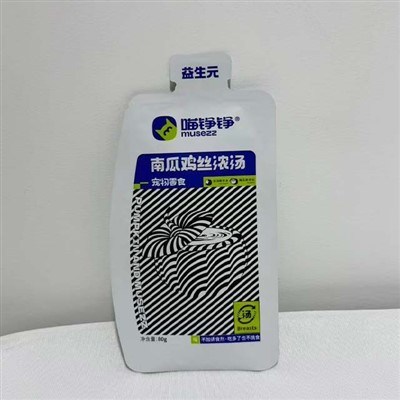
![Customized Printed Aluminum Foil Pet Food High - Temperature Steaming Bags Pet Wet Food Packaging Bags]() Customized Printed Aluminum Foil Pet Food High - Temperature Steaming Bags Pe...This is the self-suction nozzle packaging bag for "Miaoxingxing" pumpkin chicken wire thick soup pet snack. The main...read more
Customized Printed Aluminum Foil Pet Food High - Temperature Steaming Bags Pe...This is the self-suction nozzle packaging bag for "Miaoxingxing" pumpkin chicken wire thick soup pet snack. The main...read more -
![Custom Printed Packaging Bags For Whole Wheat Flour Flour Packaging Bags Food Zipper Bags]() Custom Printed Packaging Bags For Whole Wheat Flour Flour Packaging Bags Food...This is the packaging bag of "Prosperity Estate" whole wheat flour. The net content is 2.5kg. It is mainly in white...read more
Custom Printed Packaging Bags For Whole Wheat Flour Flour Packaging Bags Food...This is the packaging bag of "Prosperity Estate" whole wheat flour. The net content is 2.5kg. It is mainly in white...read more -
![Custom Printed Pet Snack Flat Bags Cat And Dog Freeze - Dried Packaging Bags Resealable Packaging Bags]() Custom Printed Pet Snack Flat Bags Cat And Dog Freeze - Dried Packaging Bags ...This is the packaging bag of the "Fatty Cat Grass Freeze-Dried" pet snack. It features a white and green color...read more
Custom Printed Pet Snack Flat Bags Cat And Dog Freeze - Dried Packaging Bags ...This is the packaging bag of the "Fatty Cat Grass Freeze-Dried" pet snack. It features a white and green color...read more -
![Custom Printed Flat - Bottom Re-sealable Pet Food Packaging Bags Dog Food And Cat Food Zipper Packaging Bags]() Custom Printed Flat - Bottom Re-sealable Pet Food Packaging Bags Dog Food And...This is the packaging bag of Wang Xiaotao's full-price, full-term dog food. The net content is 1.5kg. It is mainly...read more
Custom Printed Flat - Bottom Re-sealable Pet Food Packaging Bags Dog Food And...This is the packaging bag of Wang Xiaotao's full-price, full-term dog food. The net content is 1.5kg. It is mainly...read more -
![Custom Printed Plastic Packaging Bags For Pet Food Dispensers Aluminum Foil Bags For Pet Snacks]() Custom Printed Plastic Packaging Bags For Pet Food Dispensers Aluminum Foil B...This Push! Cat Snack Suction Bag, with a 100g capacity. The bag is brightly yellow and features a main design of...read more
Custom Printed Plastic Packaging Bags For Pet Food Dispensers Aluminum Foil B...This Push! Cat Snack Suction Bag, with a 100g capacity. The bag is brightly yellow and features a main design of...read more -
![Custom Printed Pet Food Packaging Bags Reusable Snack Bags Aluminum Foil Bags]() Custom Printed Pet Food Packaging Bags Reusable Snack Bags Aluminum Foil BagsThis pet food meal bag is pink and features cute illustrations. It has a capacity of 65g, with an easy-to-use...read more
Custom Printed Pet Food Packaging Bags Reusable Snack Bags Aluminum Foil BagsThis pet food meal bag is pink and features cute illustrations. It has a capacity of 65g, with an easy-to-use...read more