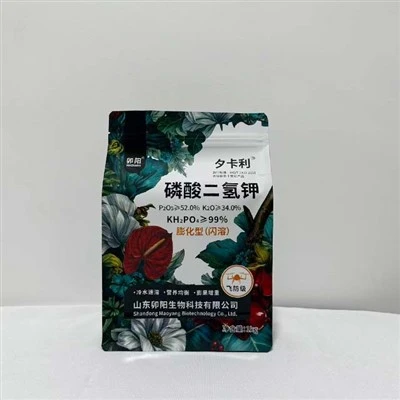
Qingzhou Hongyuan Packaging Color Printing Co., Ltd. is located in one of the beautiful ancient Kyushu, tourist cities - Qingzhou City, Shandong Province, Huanglou Street Office Sunjia Village, which is the center of the transportation hub of Shandong Province, highways, railways and other traffic conditions are very convenient, and the transportation industry is developed.
The company has four automatic production lines for color printing, including two food packaging production lines, including: printing machines, laminating machines, slitting machines, bag-making machines, automatic quality inspection machines and other excellent production equipment, with a total investment of 1.5 million yuan; The company has design, sales, production, quality inspection, laboratory and other departments, and has more than 30 employees.

Why choose us?
01
Quality control
In the processing of production, our professional technical engineers inspect the processing to ensure the quality of products.
02
High quality
The products are excellent and the details are carefully processed. Every raw material is strictly controlled.
03
Production equipment
The company has four automatic production lines for color printing, including two food packaging production lines, including: printing machines, laminating machines, slitting machines, bag-making machines, automatic quality inspection machines and other excellent production equipment.
04
Our product
Support customization of all kinds of dried fruits, candies, pastries, tea, food, cereals, rice, oatmeal, cat food and dog food and other packaging bags.
-
![Fertilizer Zipper Packaging Bag]() Fertilizer Zipper Packaging BagThis self-standing zipper bag: Only the bottom part has a accordion pleat, the side edges are straight sealed, there is no accordion pleat on the side, the side of the bag is flat, and the cost is lower. It is a very popular and economicalread more
-
![Fertilizer Stand Packaging Bag]() Fertilizer Stand Packaging BagThis is a fertilizer packaging bag, which is in an octagonal sealing shape. - It has a fan-fold at the bottom and another fan-fold on both sides. There are a total of 8 sealing edges. The bottom is flat and can stand upright for display.read more
-
![High-quality Fertilizer Aluminum Foil Packaged Standing Bags]() High-quality Fertilizer Aluminum Foil Packaged Standing BagsThis is a packaging bag of the HuminRich brand. Judging from its appearance, it is mainly black in color, with decorative elements such as gold and yellow. The front has the brand logo, establishment time, product-related claims and otherread more
-
![Customized Printed Fertilizer Standing Packaging Plastic Bags]() Customized Printed Fertilizer Standing Packaging Plastic ...This is the packaging bag of the Fruit Growth granular type medium-element water-soluble fertilizer of the Romney brand. It is a self-contained bag type, with a main body of white color and purple decoration, which is conducive to display,read more
-
![Customized Printed Fertilizer Zipper Aluminum Foil Standing Bag]() Customized Printed Fertilizer Zipper Aluminum Foil Standi...This is the packaging bag of the Blue Energy Algae Golden Seaweed Essence Organic water-soluble Fertilizer. From the perspective of appearance design, the main color tone is blue, with golden decorative strips. The front is printed withread more
-
![Wholesale Customized Printed Standing Fertilizer Packaging Bags With Transparent Bottoms]() Wholesale Customized Printed Standing Fertilizer Packagin...This is the packaging bag of potassium dihydrogen phosphate produced by Pli International Fertilizer Company in Haifa, Israel. The net content is 100g. The bag has a white background with blue water droplet patterns. The front sideread more
-
![Customizable Logo Gravure Printing Fertilizer Packaging Bags And Agricultural Product Packaging Bags]() Customizable Logo Gravure Printing Fertilizer Packaging B...This is the packaging bag of the amino acid water-soluble fertilizer produced by Sichuan Jingting Modern Agriculture Co., Ltd. There are two types: Jingting Chelating Agent and Hong Jingting No.1. The net content is 500g. The main color isread more
-
![The Transparent Bottom Of The Custom Vertical Fertilizer Packaging Bag Can Be Customized]() The Transparent Bottom Of The Custom Vertical Fertilizer ...This is the packaging bag of Green Essence brand potassium dihydrogen phosphate produced by Juguang Biology, with a net content of 1kg. It complies with the standard HG/T 2321 - 2016, with an effective component content of ≥99%, and theread more
-
![Customized Reusable Aluminum Foil Packaging Bags Water Soluble Organic Fertilizer Printed Zipper Stang- Up Bags]() Customized Reusable Aluminum Foil Packaging Bags Water So...This is the packaging bag of the Blue Energy brand Biyoufeng organic water-soluble fertilizer. Judging from the appearance and opening details, this packaging bag should be made of plastic composite material, which has certain sealing andread more
-
![Customized Vertical Fertilizer Packaging Bags And Heat-sealed Packaging Bags With Transparent Bottoms]() Customized Vertical Fertilizer Packaging Bags And Heat-se...This is a bag of potassium dihydrogen phosphate produced by Qingdao He Ma Bio. The net content is 1000g. The bag has a white background with purple and green elements, featuring the brand name, high purity and other information. Itread more
-
![Wholesale Customized Logo Printed Standing Bags And Upright Packaging Bags For Fertilizers]() Wholesale Customized Logo Printed Standing Bags And Uprig...This is a bag of phosphoric acid dihydrogen potassium fertilizer from Zhongrun Agriculture. The net content is 1kg. The design features a blue background with white dots, including the brand name, product name, and a cartoon corn. It isread more
-
![Wholesale And Custom Made Fertilizer Standing Bags And Fertilizer Packaging Bags]() Wholesale And Custom Made Fertilizer Standing Bags And Fe...This is a Meixiao fertilizer bag from the Spanish REPSOL chemical group. The net content is 1kg. It is a self-standing bag, featuring a combination of gold, white and red colors. It is marked with the brand, the company name, and Forread more


What is Fertilizer Packaging Bag
Fertilizer packaging bags are usually made of polypropylene woven bags, and higher-quality fertilizer bags are added with PE inner film bags. The conventional ones on the market are 10kg, 25kg, 40kg, 50kg, etc., of which agricultural fertilizer woven bags are mostly 50kg.
Benefits of Fertilizer Packaging Bag
Protection against environmental agents
Fertilizer packaging has a major role in protecting fertilizer products against different chemical and environmental agents. These culprits like air especially oxygen, moisture, light, and temperature degrade the quality and potency of the fertilizers. Chemicals present in the environment also react with compounds in the fertilizer, resulting in a loss of its effectiveness.
01
Convenience
Farmers and other end-users prefer fertilizer packaging that helps in handling and using fertilizers. Thus, fertilizer packaging is designed with different handles and resealing options that provide ease of portability and can be reclosed after using fertilizers.
02
Marketability
The attraction of fertilizer packaging has a role in the sale of fertilizers. Elegant packaging with striking design element boost the prominence of the product on the store shelves and is a way to get noticed by the customers. With the use of innovative and creatively-design packaging, brands differentiate their fertilizer products from their competitors.
03
Product information
Consumers favor products that are thoroughly labelled. Fertilizer packaging offers a surface area for printing and labelling product information, for example, its best-before date, chemical component, usage guidelines, suitability for certain soils and many more. It also mentions types of fertilizer-organic or chemical.
04
Tampering-proof
Fertilizer packaging also reduces the chance of product tampering and counterfeiting. Certain features are included on the fertilizer packaging like banding, special closures, graphics, text, hologram labels, and special inks that show whether the product is tampered with or not. These features are not duplicated and prevent packaging from being interfered with before selling.
05
Material of Fertilizer Packaging Bag

1. Woven PP bags
Of all common fertilizer bag fabrics, woven polypropylene (PP) bags offer the best all-around performance. This material combines exceptional strength with light weight, lasting for years of reuse. UV inhibitors provide outdoor sun exposure protection without degradation.
PP woven construction allows beneficial airflow while blocking liquid water. This maintains cool, dry nutrient storage while preventing caking or clumping during transport. High-density polyethylene (HDPE) liners are often added to boost interior water barrier performance.
2. PE film bags
For more budget-focused applications, polyethylene (PE) film bags offer inexpensive fertilizer containment. Their limp structure conforms around fertilizer contents to minimize wasted space.
Unfortunately, the thin single-layer construction provides only marginal water vapor barrier compared to woven PP bags. PE film allows relative humidity changes to impact fertilizer over time. This can lead to caking during storage in humid environments.
On the positive side, PE film transparency enables inspecting contents without opening bags. PE material also readily accepts colorful branding print that withstands sun exposure. Just recognize the compromise in long-term fertilizer protection versus woven polypropylene.
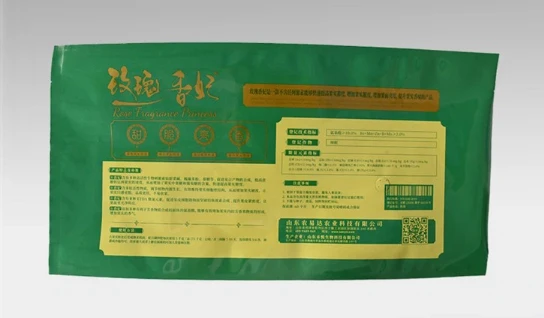

3. Paper bags
Paper fertilizer bags appeal to sustainability-focused consumers and companies. Their natural material breakdown provides organic nutrient release.
However, paper lacks the ruggedness and water resistance of woven PP and PE bags. Contents must be kept fully dry to prevent tearing, nutrient leaching and contamination. Wax coatings provide modest liquid moisture holdout but eventual failure from abrasions or humidity saturation.
4. BOPP bags
For ultimate fertilizer preservation, biaxially-oriented polypropylene (BOPP) bags add high-barrier protection. This specially processed polypropylene film provides exceptional resistance to oxygen, moisture ingress and UV radiation.
The result is long-term containment of nutrients without degradation related to humidity, caking or temperature swings. BOPP enables extended global transport and multi-season warehouse storage while maintaining fertilizer integrity.
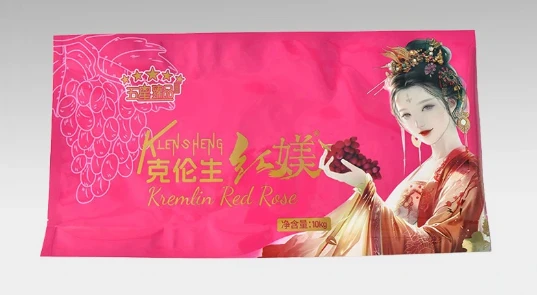
What are the Other Uses of Fertilizer Packaging Bag?
Pack food
Every year when wheat, corn, and rice are harvested, farmers use fertilizer bags to hold the grain. The fertilizer packaging bags on the market now weigh about 100 kilograms. Many farmers store them after use and use them as grain packaging bags during harvest, which is very convenient.
Use as an umbrella
It is rare to buy expensive raincoats in rural areas, and they are usually made by oneself. However, raincoats made from fertilizer packaging bags are strong and durable, and are enough to protect against light to moderate rain. There is no need to go out when it rains heavily.
Load sundries
There are many scattered items in daily life, which seem very messy when moving or cleaning up the house. We can use it to pack them, which not only saves trouble, but also contributes to our home.
Make a doily
Because many things need to be dried in rural areas, and the things that need to be dried cannot be placed directly on the ground, so it is best to cut and lay them out flat from the cleaning fertilizer packaging bags and use them as doils.
Make rain covers and awnings
It is very common in rural areas to use fertilizer packaging bags to make rain cover and awnings. Cut along the edge of the bag and keep one side, smooth it. If the width and length are not enough, just cut a few bags, and then use a needle and thread or sewing machine Just sew it, it has good waterproof effect, and it is durable and not afraid of wind and sun.
How to Read a Fertilizer Packaging Bag
The nutrient ratio is usually displayed on the front of the bag, in the form of three numbers, such as 10-0-10. These numbers represent the percentage by weight of nitrogen (N), phosphorus (P), and potassium (K), respectively, in the fertilizer. For example, a 10-0-10 fertilizer contains 10% nitrogen, 0% phosphorus, and 10% potassium. Different plants have different nutrient requirements, so it's important to choose a fertilizer with the appropriate nutrient ratio.
A slow-release fertilizer that releases nutrients over time, helps reduce the risk of runoff and pollution of nearby waterways. In Miami-Dade County, this is especially important.
In addition to N, P, and K, some fertilizers contain nutrients, such as calcium, magnesium, and sulfur. If your soil is deficient in one of these nutrients, you may want to choose a fertilizer that contains it. Some fertilizers also contain additives, such as micronutrients, iron, or organic matter. These can be beneficial for certain plants, but it's important to understand what you're applying and why. These additional nutrients will be noted in the guaranteed analysis on the bag. In the example above, the fertilizer also contains sulfur, iron, and manganese.
Finally, it's important to follow the instructions on the fertilizer bag carefully. Over-fertilizing can be harmful to your plants and the environment, so make sure you apply the correct amount at the right time. It's also important to follow local regulations on fertilizer use to help protect nearby waterways and the environment.
Fertilizer Packaging Bag Recycling Programs: Reducing Waste in Agriculture
The environmental impact of fertilizer bags
Fertilizer bags have traditionally been a necessary component of agricultural operations. They protect the fertilizers from moisture, sunlight, and contamination during storage and transportation. However, their disposal has been problematic for several reasons:
● Material variety: Fertilizer bags are made from a range of materials, including plastic, paper, and woven polypropylene. Each material has different recycling processes and environmental impacts.
● Contamination risk: Fertilizer residue can remain in the bags, making recycling more challenging. Residue can contaminate recycling streams or reduce the quality of recycled materials.
● Landfill accumulation: Improper disposal of used bags contributes to landfill overflow and environmental degradation.
Importance of fertilizer bag recycling
● Waste reduction: Recycling fertilizer bags reduces the volume of waste going to landfills, helping to mitigate the environmental impact.
● Resource conservation: Recycling saves resources by reusing materials, reducing the need for virgin resources in bag production.
● Energy efficiency: The recycling process often consumes less energy than producing new bags from raw materials.
● Environmental preservation: Reducing waste in agriculture helps protect soil and water quality, maintaining the health of ecosystems.
Challenges in fertilizer bag recycling
While the importance of recycling fertilizer bags is clear, there are several challenges that must be addressed to establish effective recycling programs:
● Mixed materials: As mentioned earlier, fertilizer bags come in various materials, and sorting and processing these materials for recycling can be complex and costly.
● Residue removal: Fertilizer residues can contaminate the recycling process. Thorough cleaning or disposal of residues is necessary.
● Infrastructure: Establishing recycling facilities that can handle diverse bag materials may require significant investment and infrastructure development.
● Awareness and education: Farmers and users of fertilizer bags need to be educated about the benefits of recycling and the proper methods for disposal.
Successful fertilizer bag recycling initiatives
Despite the challenges, some successful fertilizer bag recycling initiatives have made significant strides in reducing waste in agriculture:
● Plastic film recycling: Some regions have established plastic film recycling programs that include fertilizer bags. These programs encourage farmers to bring their used bags to collection centers, where they are processed and recycled.
● Collaboration with manufacturers: In some cases, manufacturers of fertilizer have taken the lead in recycling efforts. They offer collection and recycling services for their products’ packaging.
● Legislation and regulations: Certain regions have implemented regulations that require manufacturers or users of fertilizer bags to take responsibility for their disposal, thus incentivizing recycling efforts.
Our Factory
In recent years, under the fierce competition in the plastic packaging processing industry, Qingzhou Hongyuan Packaging Color Printing Co., Ltd. has established a strong sense of development, taking the market as the core and reform as the driving force, actively adjusting the internal structure, strengthening product development, changing marketing strategies, and adapting to market needs.


FAQ
We're professional fertilizer packaging bag manufacturers in China, specialized in providing high quality customized service. We warmly welcome you to buy bulk fertilizer packaging bag made in China here and get quotation from our factory. For price consultation, contact us.
international fertilizer bags, offering fertilizer bags, industrial fertilizer bag-
![Cat Litter Bag]() Cat Litter BagThis is a 2kg self-standing and self-sealing composite packaging bag for cat litter. It belongs to the packaging forread more
-
![Bread Packaging Bag]() Bread Packaging BagThis is a bread octagonal sealed packaging bag, with intaglio color printing. The background color is a gradient pink.read more
-
![Fertilizer Zipper Packaging Bag]() Fertilizer Zipper Packaging BagThis self-standing zipper bag: Only the bottom part has a accordion pleat, the side edges are straight sealed, there isread more
-
![Fertilizer Stand Packaging Bag]() Fertilizer Stand Packaging BagThis is a fertilizer packaging bag, which is in an octagonal sealing shape. - It has a fan-fold at the bottom andread more
-
![Pet Cat Litter Packaging Bag]() Pet Cat Litter Packaging BagThis is an octagonal cat litter packaging bag. It does not use aluminum foil (it is not an aluminum foil bag). Itread more
-
![Food Stand Bag With Transparent Window]() Food Stand Bag With Transparent WindowThis is a 100g special self-standing bottom packaging bag for dumplings. It is a food-grade self-standing zipper bagread more