Qingzhou Hongyuan Packaging Color Printing Co., Ltd. is located in one of the beautiful ancient Kyushu, tourist cities - Qingzhou City, Shandong Province, Huanglou Street Office Sunjia Village, which is the center of the transportation hub of Shandong Province, highways, railways and other traffic conditions are very convenient, and the transportation industry is developed.
The company has four automatic production lines for color printing, including two food packaging production lines, including: printing machines, laminating machines, slitting machines, bag-making machines, automatic quality inspection machines and other excellent production equipment, with a total investment of 1.5 million yuan; The company has design, sales, production, quality inspection, laboratory and other departments, and has more than 30 employees.
Why choose us?
01
Quality control
In the processing of production, our professional technical engineers inspect the processing to ensure the quality of products.
02
High quality
The products are excellent and the details are carefully processed. Every raw material is strictly controlled.
03
Production equipment
The company has four automatic production lines for color printing, including two food packaging production lines, including: printing machines, laminating machines, slitting machines, bag-making machines, automatic quality inspection machines and other excellent production equipment.
04
Our product
Support customization of all kinds of dried fruits, candies, pastries, tea, food, cereals, rice, oatmeal, cat food and dog food and other packaging bags.
-
![Sausage Packaging Bag Empaques Para Embutidos Sausage Glossy UV Eight Side Sealed Standing Packaging Bags]() Sausage Packaging Bag Empaques Para Embutidos Sausage Glo...This is the "Good Meat Meat Fresh Meat Sausage" packaging bag of the Delisi brand. The overall design is centered around the product features and brand information. The packaging bag has been...read more
Sausage Packaging Bag Empaques Para Embutidos Sausage Glo...This is the "Good Meat Meat Fresh Meat Sausage" packaging bag of the Delisi brand. The overall design is centered around the product features and brand information. The packaging bag has been...read more -
![Tangyuan Packaging Bag]() Tangyuan Packaging BagTangyuan packaging bags are specially designed to meet the needs of frozen storage and transportation. It needs to ensure that the glutinous rice balls remain in their best condition when frozen...read more
Tangyuan Packaging BagTangyuan packaging bags are specially designed to meet the needs of frozen storage and transportation. It needs to ensure that the glutinous rice balls remain in their best condition when frozen...read more -
![Vegetable Packing Bags]() Vegetable Packing BagsThe selection of vegetable food packaging bags should be based on specific needs to ensure that the sealing degree of the packaging is appropriate, which can not only maintain the humidity and...read more
Vegetable Packing BagsThe selection of vegetable food packaging bags should be based on specific needs to ensure that the sealing degree of the packaging is appropriate, which can not only maintain the humidity and...read more -
![Sausage Packaging Bag]() Sausage Packaging BagSausage packaging bags usually use composite materials, such as polyester/aluminum foil/polyethylene (PET/AL/PE/PA). Such materials can not only keep the food fresh, but also prevent the entry of...read more
Sausage Packaging BagSausage packaging bags usually use composite materials, such as polyester/aluminum foil/polyethylene (PET/AL/PE/PA). Such materials can not only keep the food fresh, but also prevent the entry of...read more -
![Seafood Packaging Bag]() Seafood Packaging BagThe design and material selection of seafood packaging bags are crucial. In order to ensure that the freshness and taste of seafood are not affected during transportation, these packaging bags...read more
Seafood Packaging BagThe design and material selection of seafood packaging bags are crucial. In order to ensure that the freshness and taste of seafood are not affected during transportation, these packaging bags...read more -
![Meat Packing Bags]() Meat Packing BagsThe main purpose of meat packaging bags is to extend the shelf life of food, prevent the intrusion of moisture, air and bacteria, and ensure food safety and quality.read more
Meat Packing BagsThe main purpose of meat packaging bags is to extend the shelf life of food, prevent the intrusion of moisture, air and bacteria, and ensure food safety and quality.read more -
![Dumpling Packaging Bag]() Dumpling Packaging BagThe dumpling packaging bag is a food packaging bag specially used for packaging quick-frozen dumplings. The design and function must meet the special needs of frozen food to ensure the quality of...read more
Dumpling Packaging BagThe dumpling packaging bag is a food packaging bag specially used for packaging quick-frozen dumplings. The design and function must meet the special needs of frozen food to ensure the quality of...read more -
![Pizza Frozen Food Packaging Bags]() Pizza Frozen Food Packaging BagsAs a frozen food, the outer packaging of pizza is mainly to further enhance the protective effect. Pizza is often packaged in two layers: the inner layer is in direct contact with the food, and...read more
Pizza Frozen Food Packaging BagsAs a frozen food, the outer packaging of pizza is mainly to further enhance the protective effect. Pizza is often packaged in two layers: the inner layer is in direct contact with the food, and...read more


What is Frozen Food Packaging Bags
Frozen food packaging is the unsung hero behind every delicious bite from the freezer. It’s not just about keeping your peas and carrots cold; it’s a complex interplay of science, design, and consumer psychology. Every frozen product in the supermarket has been carefully considered to ensure it remains fresh, appealing, and easy to use. Whether it’s ice cream or edamame, the packaging has a big job to do.
Benefits of Frozen Food Packaging Bags
Preservation of freshness
One of the most significant benefits of frozen food packaging bags is their ability to preserve freshness. These bags are designed to lock in the food’s natural flavors and nutrients. By creating an airtight seal, they prevent moisture from escaping and avoid freezer burn, which can lead to a dry and unappetizing product.
The packaging also helps to maintain the food’s texture, ensuring that it remains as close to its original state as possible after thawing. This is particularly important for items like fruits, vegetables, and meats, where texture can greatly impact the overall eating experience.
Extended shelf life
Frozen food packaging bags play a crucial role in extending the shelf life of frozen products. The protective barrier created by these bags helps to prevent the food from deteriorating due to exposure to air and moisture. This means that your food can be stored for longer periods without losing its quality or safety.
For manufacturers and retailers, extended shelf life translates to reduced food waste and lower costs. For consumers, it means that you can buy in bulk and store items for future use without worrying about them going bad too quickly.
Convenient and easy to use
Convenience is a top priority in the design of frozen food packing bags. Features like easy-to-tear apertures, resalable closures, and unambiguous labeling are frequently included.
Resalable closures allow you to open and close the bag multiple times, which is perfect for items that you may not use all at once.
Clear labeling helps you easily identify the contents and expiration date, making it easier to manage your frozen food inventory. Easy-tear openings ensure that you can access the food without the need for additional tools or effort.
Durability and strength
Premium frozen food packing bags are constructed from robust materials that are resistant to freezing and thawing. They are made to withstand rips, tears, and leaks, guaranteeing that the food is kept safe for the duration of its storage life.
Additionally, the bag’s strength aids in preventing contamination and unintentional leaks. This is especially crucial for foods that are kept in storage for extended periods of time or in large quantities.
Barrier properties
Effective barrier properties are a hallmark of excellent frozen food packaging bags. Usually composed of multiple layers of film, these bags offer a robust defense against light, moisture, and air. The multiple layers of this structure guarantee that the food doesn’t get freezer burn and stays fresh.
Some bags also feature specialized coatings or laminations that enhance their barrier properties. These additional features can further improve the bag’s performance in preserving the food’s quality.
Temperature resistance
Frozen food packaging bags must be able to withstand extreme temperatures. The materials used in these bags are designed to remain flexible and strong at freezing temperatures. This ensures that the bags do not become brittle or crack, which could compromise the food’s safety.
Temperature resistance is also important for the thawing process. High-quality bags maintain their integrity when the food is taken out of the freezer and allowed to thaw, preventing any leaks or contamination.
Types of Frozen Food Packaging Bags
Plastic films
These common packaging materials, primarily plastic films and plastic containers, are flexible and adept at sealing out cold air. Ideal for frozen meat, they create a moisture barrier that fights against ice crystals and off-flavors.
01
PE derivatives
Known for their durability and moisture resistance, PE derivatives are perfect for frozen packaging of bulk food items, like seafood. They ensure the food product remains protected from external threats and freezes at low temperatures.
02
Aluminum foil
With excellent thermal insulation, aluminum foil is suited for frozen meals transitioning from freezer to oven, maintaining even cooking temperatures, and preventing food spoilage.
03
Wax-coated paper
This packaging material is best for frozen meat and seafood, providing a wax-coated paper barrier that withstands temperature and keeps moisture in while freezing, ensuring the frozen product doesn’t become cold water soggy.
04
Flexible packaging (pouches and bags)
Flexible packaging, including stand-up pouch options made from plastic film, offers convenience for frozen snacks and desserts like ice cream, which are popular for their resealable features and lightweight nature.
05
Material of Frozen Food Packaging Bags

1. Plastic films (polyethylene (PE) and polyester (PET))
Polyethylene (PE) remains flexible at temperatures as low as -40°C, making it a perfect choice for freezing applications. It is also moisture-resistant and adaptable to various packaging forms.
Polyester (PET) offers excellent strength and durability; hence, it is widely used for heavy-duty applications such as frozen meals and bulk foods. Manufacturers often choose these materials for their versatility and cost-effectiveness.
2. Flexible plastic pouches (polypropylene (PP), nylon, and polyethylene)
Thanks to their flexibility and versatility, polypropylene (PP), nylon, and polyethylene are all common in the frozen food industry. Even so, each has unique properties. Polyethylene is more resistant at low temperatures and is more flexible than polypropylene. On the other hand, nylon has exceptional strength and wear resistance.


3. Expanded polystyrene (EPS) foam
EPS foam is widely used for insulating frozen foods due to its excellent thermal properties. It provides strong insulation and impact protection, making it ideal for packaging frozen fish, meats, and other temperature-sensitive products during long-haul distribution and storage.
4. Aluminium foil
Aluminium foil is a malleable and lightweight material that provides excellent barrier protection against light, moisture, and oxygen. It is commonly used in packaging to extend the shelf life of frozen products, particularly for delicate items like baked goods or dairy products.

How to Use Frozen Food Packaging Bags
Selecting the right packaging material
The first step in the process of frozen food packaging is to select the right packaging material. The material used for packaging should be able to maintain the temperature of the frozen food, prevent the growth of bacteria, and protect the product during transportation. Common materials used for frozen food packaging include plastic, paperboard, aluminum foil, and flexible packaging materials like polyethylene.
Preparing the frozen product for packaging
Before packaging, the frozen food product needs to be prepared for packaging. This involves cleaning, sorting, and possibly cutting the product to the right size. The product must also be inspected for quality, defects, and any foreign materials that may have been introduced during processing.
Packaging
The next step is to package the product. Depending on the type of frozen food product, the packaging process may vary. For example, some frozen foods may require vacuum sealing, while others may be packaged in bags or containers. In some cases, the product may be packaged with additional materials such as absorbent pads or moisture control packets. of course, different packaging process need different frozen food packaging machine.
Labeling and coding
Once the frozen food is packaged, it needs to be labeled and coded. The labeling should include information such as the product name, ingredients, nutritional information, and any allergy warnings. The coding is used to track the product during transportation and storage.
Inspecting and testing
After the frozen food product is packaged, it needs to be inspected and tested. This is done to ensure that the packaging materials and process have maintained the quality, safety, and freshness of the product. Testing may include physical tests, microbiological tests, and sensory tests.
Storage and distribution
Finally, the frozen food product is stored and distributed to retailers or consumers. The product must be stored at the correct temperature and in the right conditions to maintain its quality and safety.
How to Choose the Right Frozen Food Packaging Bags
Hygiene: From a safety perspective, packaging materials that are in direct contact with food, such as plastic packaging bags. Due to the frozen food bags and transportation process, it is often difficult to ensure that the entire process is in a coherent low-temperature environment, especially during the transportation and transportation process, which may cause the temperature of the frozen food to rise significantly over a period of time. If the material does not pass, it is easy to breed bacteria. There is not much difference in appearance between packaging made of recycled materials or industrial-grade materials and packaging made of materials, but once used, it will cause great harm to human health due to excessive plasticizers and other substances.
Cold resistance: Frozen food bags are usually stored and circulated at a temperature of -18°C or lower, especially some frozen foods with trays. In the production process, food and trays are usually quickly cooled to below -30°C until the product temperature is below -18°C, and then packaged. In the case of a sudden temperature drop, the mechanical strength of the frozen food bag packaging material will also decrease, resulting in the brittleness of the frozen food bag material. Moreover, frozen foods are inevitably exposed to various environmental hazards such as shock, vibration, and pressure during transportation and transportation. In addition, frozen foods such as dumplings and dumplings are relatively hard at low temperatures. It is easy to cause the packaging bag to crack. This requires packaging materials with good low temperature performance.
Impact resistance: Frozen food bags are easily damaged by external forces during transportation, loading and unloading and shelf placement. When the impact resistance of the packaging bag is poor, it is easy to break the bag and open the bag, which not only affects the appearance of the packaged product, but also contaminates the food inside. The impact resistance of frozen food bags can be determined by the pendulum impact test.
Our Factory
In recent years, under the fierce competition in the plastic packaging processing industry, Qingzhou Hongyuan Packaging Color Printing Co., Ltd. has established a strong sense of development, taking the market as the core and reform as the driving force, actively adjusting the internal structure, strengthening product development, changing marketing strategies, and adapting to market needs.


FAQ
We're professional frozen food packaging bags manufacturers in China, specialized in providing high quality customized service. We warmly welcome you to buy bulk frozen food packaging bags made in China here and get quotation from our factory. For price consultation, contact us.
Pizza Frozen Food Packaging Bags, Tangyuan Packaging Bag, Quick frozen dumpling packaging bag-
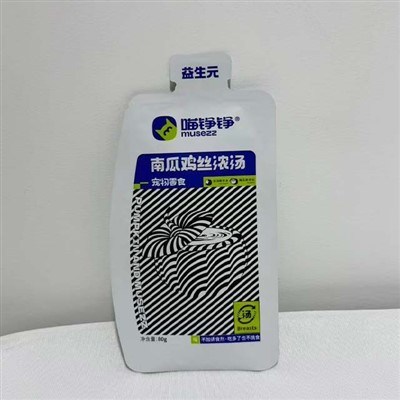
![Customized Printed Aluminum Foil Pet Food High - Temperature Steaming Bags Pet Wet Food Packaging Bags]() Customized Printed Aluminum Foil Pet Food High - Temperature Steaming Bags Pe...This is the self-suction nozzle packaging bag for "Miaoxingxing" pumpkin chicken wire thick soup pet snack. The main...read more
Customized Printed Aluminum Foil Pet Food High - Temperature Steaming Bags Pe...This is the self-suction nozzle packaging bag for "Miaoxingxing" pumpkin chicken wire thick soup pet snack. The main...read more -
![Custom Printed Packaging Bags For Whole Wheat Flour Flour Packaging Bags Food Zipper Bags]() Custom Printed Packaging Bags For Whole Wheat Flour Flour Packaging Bags Food...This is the packaging bag of "Prosperity Estate" whole wheat flour. The net content is 2.5kg. It is mainly in white...read more
Custom Printed Packaging Bags For Whole Wheat Flour Flour Packaging Bags Food...This is the packaging bag of "Prosperity Estate" whole wheat flour. The net content is 2.5kg. It is mainly in white...read more -
![Custom Printed Pet Snack Flat Bags Cat And Dog Freeze - Dried Packaging Bags Resealable Packaging Bags]() Custom Printed Pet Snack Flat Bags Cat And Dog Freeze - Dried Packaging Bags ...This is the packaging bag of the "Fatty Cat Grass Freeze-Dried" pet snack. It features a white and green color...read more
Custom Printed Pet Snack Flat Bags Cat And Dog Freeze - Dried Packaging Bags ...This is the packaging bag of the "Fatty Cat Grass Freeze-Dried" pet snack. It features a white and green color...read more -
![Custom Printed Flat - Bottom Re-sealable Pet Food Packaging Bags Dog Food And Cat Food Zipper Packaging Bags]() Custom Printed Flat - Bottom Re-sealable Pet Food Packaging Bags Dog Food And...This is the packaging bag of Wang Xiaotao's full-price, full-term dog food. The net content is 1.5kg. It is mainly...read more
Custom Printed Flat - Bottom Re-sealable Pet Food Packaging Bags Dog Food And...This is the packaging bag of Wang Xiaotao's full-price, full-term dog food. The net content is 1.5kg. It is mainly...read more -
![Custom Printed Plastic Packaging Bags For Pet Food Dispensers Aluminum Foil Bags For Pet Snacks]() Custom Printed Plastic Packaging Bags For Pet Food Dispensers Aluminum Foil B...This Push! Cat Snack Suction Bag, with a 100g capacity. The bag is brightly yellow and features a main design of...read more
Custom Printed Plastic Packaging Bags For Pet Food Dispensers Aluminum Foil B...This Push! Cat Snack Suction Bag, with a 100g capacity. The bag is brightly yellow and features a main design of...read more -
![Custom Printed Pet Food Packaging Bags Reusable Snack Bags Aluminum Foil Bags]() Custom Printed Pet Food Packaging Bags Reusable Snack Bags Aluminum Foil BagsThis pet food meal bag is pink and features cute illustrations. It has a capacity of 65g, with an easy-to-use...read more
Custom Printed Pet Food Packaging Bags Reusable Snack Bags Aluminum Foil BagsThis pet food meal bag is pink and features cute illustrations. It has a capacity of 65g, with an easy-to-use...read more