


Hey there! As a supplier of Seafood Packaging Bags, I often get asked about the cold - resistance of these bags. So, I thought I'd take some time to chat about it in this blog.
Let's start by understanding why cold - resistance is such a big deal when it comes to seafood packaging. Seafood is highly perishable. To keep it fresh and safe for consumption, it's usually stored and transported at low temperatures, often in freezers. That means the packaging bags need to be able to withstand these cold conditions without falling apart or losing their integrity.
The cold - resistance of a seafood packaging bag is mainly determined by the materials it's made from. Most of the Seafood Packaging Bags we supply are made from high - quality plastics like polyethylene (PE) and polypropylene (PP). These plastics have some great properties that make them suitable for cold storage.
PE, for example, is known for its flexibility and toughness. Even at very low temperatures, it doesn't become brittle easily. This is crucial because if the bag becomes brittle, it can crack or tear, exposing the seafood inside to air, bacteria, and other contaminants. When you're dealing with frozen seafood, a small tear in the bag can lead to freezer burn, which not only affects the taste and texture of the seafood but also reduces its shelf life.
PP, on the other hand, has good chemical resistance and can maintain its shape well in cold environments. It's also relatively lightweight, which is a plus when it comes to transportation costs. We use a combination of these materials in our Seafood Packaging Bags to ensure they offer the best possible cold - resistance.
Another factor that affects the cold - resistance of these bags is the thickness. Thicker bags generally have better cold - resistance. However, we need to strike a balance because if the bag is too thick, it can be more expensive and less environmentally friendly. Our team has done a lot of research and testing to find the optimal thickness for our Seafood Packaging Bags. We want to make sure they can protect the seafood effectively in cold storage while also being cost - effective and sustainable.
We've also invested in advanced manufacturing processes to enhance the cold - resistance of our bags. For instance, we use special extrusion techniques to create a more uniform structure in the plastic material. This helps the bag to distribute stress evenly when it's exposed to cold temperatures, reducing the risk of cracking or tearing.
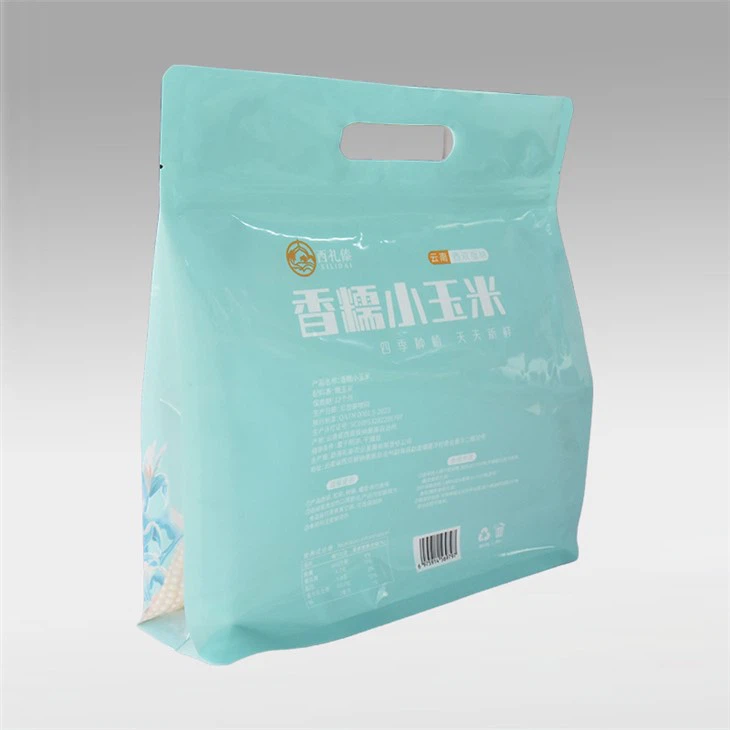
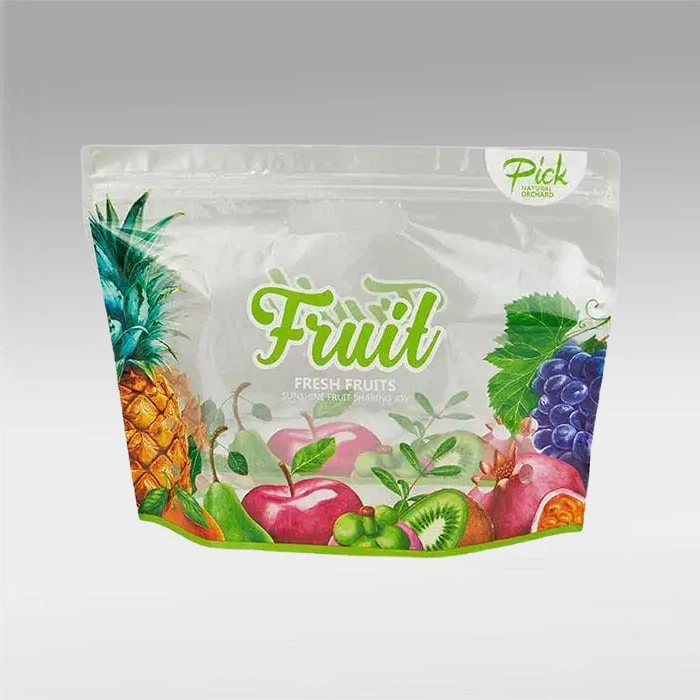
Now, let's talk about some real - world applications. Our Seafood Packaging Bags are used by a wide range of customers, from small local fishmongers to large seafood processing plants. These customers rely on our bags to keep their products fresh during storage and transportation. For example, a fishmonger might use our bags to package fresh fillets and store them in a freezer overnight. The next day, the seafood is still in perfect condition, ready to be sold to customers.
In addition to seafood, our cold - resistant packaging solutions can also be used for other frozen foods. Check out our Vegetable Packing Bags and Pizza Frozen Food Packaging Bags. They are designed with the same high - quality materials and manufacturing processes to ensure they can withstand the cold temperatures of freezer storage.
When it comes to testing the cold - resistance of our Seafood Packaging Bags, we have a strict quality control system in place. We conduct various tests, such as drop tests at low temperatures, to simulate real - world handling conditions. We also use temperature - controlled chambers to expose the bags to different cold temperatures for extended periods. This allows us to monitor how the bags perform over time and make any necessary adjustments to our manufacturing processes.
One of the things that sets our Seafood Packaging Bags apart from the competition is our commitment to innovation. We're constantly looking for new materials and technologies that can improve the cold - resistance of our bags even further. For example, we're exploring the use of biodegradable plastics that still offer excellent cold - resistance. This not only helps to protect the environment but also meets the growing demand from customers for more sustainable packaging solutions.
If you're in the seafood business or any other industry that requires cold - resistant packaging, I encourage you to take a closer look at our Seafood Packaging Bag. We're confident that our bags can meet your needs and provide the best possible protection for your products. Whether you're looking for a small - scale solution or a large - volume order, we can work with you to find the right packaging option.
If you have any questions or would like to discuss your packaging requirements in more detail, feel free to reach out. We're always happy to have a chat and help you find the perfect Seafood Packaging Bags for your business. Let's work together to ensure your seafood stays fresh and safe from the moment it's packaged until it reaches the consumer's plate.
References:
- General knowledge about plastic materials and their properties in cold environments.
- In - house research and testing data on Seafood Packaging Bags.


