


Storing sausages in packaging bags for an extended period is a crucial concern for both producers and consumers. As a dedicated sausage packaging bag supplier, I understand the intricacies involved in ensuring the long - term preservation of sausages. In this blog, I will share some scientific and practical methods to achieve this goal.
Understanding the Characteristics of Sausages
Before delving into the storage methods, it's essential to understand the nature of sausages. Sausages are typically made from ground meat, spices, and other ingredients. They are rich in protein, fat, and moisture, which makes them highly susceptible to spoilage caused by microorganisms, oxidation, and moisture loss. Microorganisms such as bacteria, molds, and yeasts can grow rapidly in the favorable environment provided by the nutrients in sausages. Oxidation can lead to the development of off - flavors, discoloration, and a decrease in nutritional value. Moisture loss can result in a dry, tough texture, reducing the overall quality of the sausages.
Choosing the Right Packaging Bags
The first step in long - term sausage storage is selecting the appropriate packaging bags. Our company offers a wide range of sausage packaging bags designed to meet different storage requirements. These bags are made from high - quality materials that provide excellent barrier properties against oxygen, moisture, light, and microorganisms.
- Oxygen Barrier: Oxygen is one of the main factors contributing to sausage spoilage. It can cause oxidation of fats, leading to rancidity and off - flavors. Our packaging bags are equipped with an oxygen barrier layer, which significantly reduces the amount of oxygen that can penetrate the bag. This helps to maintain the freshness and flavor of the sausages for a longer time.
- Moisture Barrier: Moisture loss can make sausages dry and unappetizing. Our bags have a moisture - resistant layer that prevents the escape of moisture from the sausages. At the same time, it also protects the sausages from external moisture, which could promote the growth of microorganisms.
- Light Barrier: Light can also have a negative impact on the quality of sausages. It can cause the breakdown of pigments and vitamins, leading to discoloration and a loss of nutritional value. Our packaging bags are opaque or have a light - blocking layer to shield the sausages from harmful light rays.
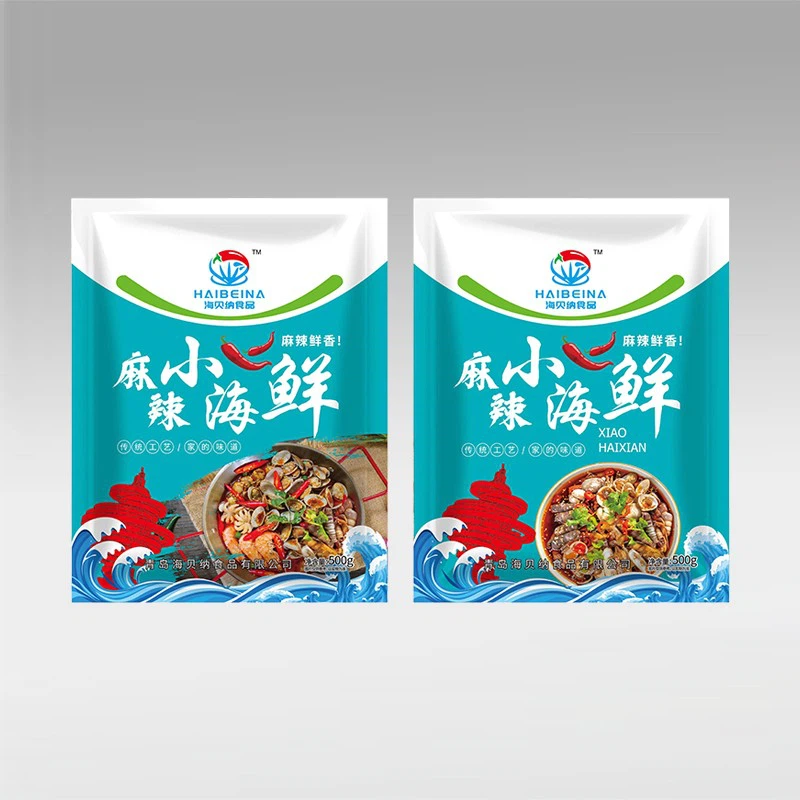
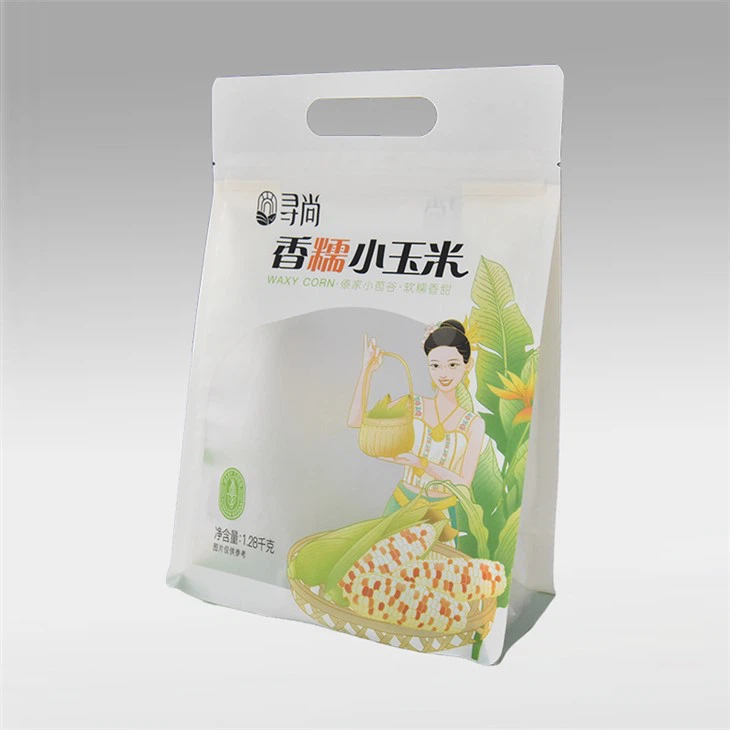
In addition to sausage packaging bags, we also provide other types of food packaging bags, such as Vegetable Packing Bags, Seafood Packaging Bag, and Tangyuan Packaging Bag. These bags are also designed with similar high - quality barrier properties to ensure the long - term storage of different types of food.
Proper Packaging Techniques
Once the right packaging bags are selected, proper packaging techniques are essential to maximize the storage life of sausages.
- Cleanliness: Before packaging, ensure that the sausages and the packaging environment are clean. Wash your hands thoroughly and sanitize all equipment and surfaces that will come into contact with the sausages. This helps to prevent the introduction of contaminants that could cause spoilage.
- Vacuum Packaging: Vacuum packaging is one of the most effective methods for long - term sausage storage. It removes the air from the packaging bag, reducing the amount of oxygen available for oxidation and microbial growth. Our packaging bags are suitable for vacuum packaging machines. Place the sausages in the bag, seal it, and then use a vacuum packaging machine to remove the air. Make sure the seal is tight to prevent air from re - entering the bag.
- Modified Atmosphere Packaging (MAP): MAP involves replacing the air inside the packaging bag with a mixture of gases, such as nitrogen, carbon dioxide, and oxygen. Nitrogen is an inert gas that helps to displace oxygen, while carbon dioxide has antibacterial properties. The ratio of gases can be adjusted according to the type of sausages and the desired storage time. Our company can provide packaging bags that are compatible with MAP systems.
Storage Conditions
Even with the right packaging bags and techniques, proper storage conditions are crucial for long - term sausage preservation.
- Temperature: The storage temperature has a significant impact on the shelf life of sausages. Generally, sausages should be stored at low temperatures to slow down the growth of microorganisms and the rate of oxidation. For fresh sausages, refrigeration at a temperature between 0 - 4°C (32 - 39°F) is recommended. This can extend the shelf life of fresh sausages for a few days to a week. For long - term storage, freezing at a temperature below - 18°C (0°F) is ideal. Frozen sausages can be stored for several months without significant loss of quality.
- Humidity: The humidity level in the storage environment also affects the quality of sausages. High humidity can promote the growth of molds and bacteria, while low humidity can cause moisture loss. In a refrigerated environment, a relative humidity of around 70 - 80% is suitable. In a freezer, the humidity should be kept as low as possible to prevent the formation of ice crystals on the sausages.
- Avoiding Cross - Contamination: Store sausages away from other foods that may have strong odors or carry different types of microorganisms. This helps to prevent cross - contamination, which could lead to spoilage or the transfer of unwanted flavors.
Monitoring and Quality Control
Regular monitoring of the stored sausages is necessary to ensure their quality. Check the packaging bags for any signs of damage, such as tears or leaks. Inspect the sausages for changes in color, texture, and odor. If any signs of spoilage are detected, remove the affected sausages immediately to prevent the spread of spoilage to other products.
In addition, it's important to conduct quality control tests on the packaging bags and the sausages themselves. Test the barrier properties of the packaging bags regularly to ensure they are still providing adequate protection. For the sausages, perform microbiological and chemical analyses to monitor the levels of microorganisms, oxidation products, and other quality indicators.
Conclusion
Storing sausages in packaging bags for a long time requires a combination of the right packaging materials, proper packaging techniques, and suitable storage conditions. As a sausage packaging bag supplier, we are committed to providing high - quality packaging solutions that meet the needs of our customers. Our packaging bags are designed to protect sausages from oxygen, moisture, light, and microorganisms, ensuring their freshness and quality for an extended period.
If you are interested in our sausage packaging bags or other food packaging bags, such as Vegetable Packing Bags, Seafood Packaging Bag, and Tangyuan Packaging Bag, please feel free to contact us for more information and to discuss your specific requirements. We look forward to establishing a long - term partnership with you.
References
- Jay, J. M., Loessner, M. J., & Golden, D. A. (2005). Modern Food Microbiology. Springer.
- Labuza, T. P. (1982). Oxygen and moisture barrier requirements for food products. In Controlled Atmosphere Packaging (pp. 1 - 23). Elsevier.
- Lee, Y. H., & Han, J. H. (2001). Effect of packaging materials on quality changes of cooked pork sausages during refrigerated storage. Journal of Food Science, 66(4), 584 - 587.


