


In the seafood industry, ensuring the compliance of seafood packaging bags with food - contact regulations is not only a legal requirement but also a crucial step in safeguarding consumer health and maintaining the quality of the product. As a seafood packaging bag supplier, I understand the significance of this issue and have accumulated a wealth of experience in this area. In this blog, I will share some key strategies and considerations to ensure that our packaging bags meet all relevant food - contact regulations.
Understanding Food - Contact Regulations
The first step in ensuring compliance is to have a comprehensive understanding of the food - contact regulations that apply to seafood packaging bags. These regulations vary from country to country and region to region. For instance, in the United States, the Food and Drug Administration (FDA) has strict guidelines regarding the materials that can come into contact with food. The FDA regulates substances used in food packaging to ensure that they do not migrate into the food in harmful quantities.
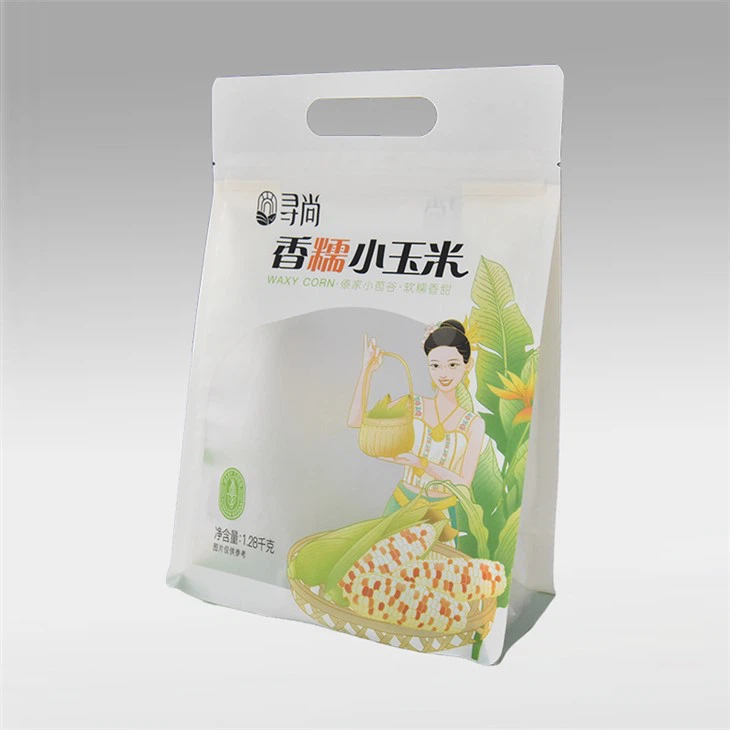
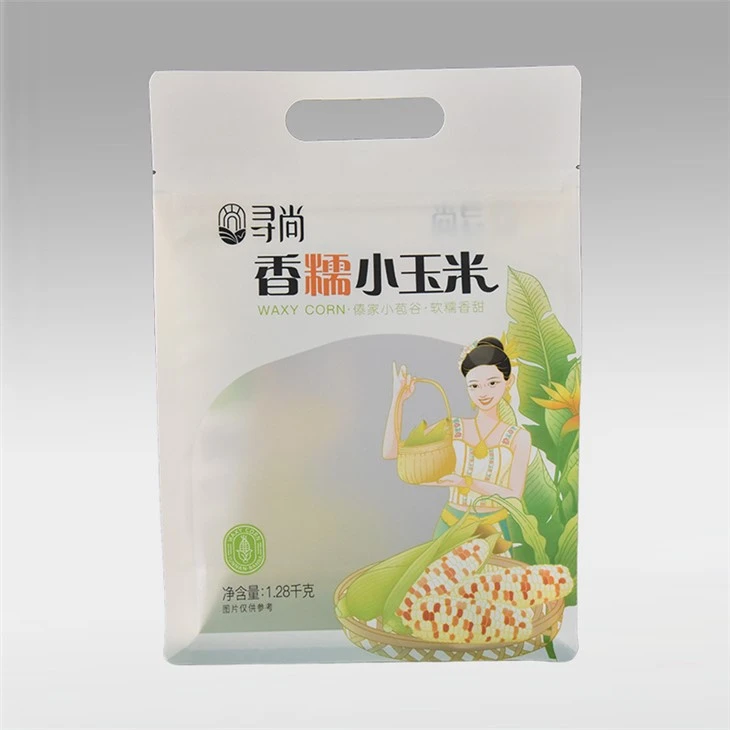
In the European Union, the European Food Safety Authority (EFSA) and the EU's food - contact regulations set the standards. These regulations cover aspects such as the composition of the packaging materials, the migration limits of substances from the packaging to the food, and the labeling requirements. As a supplier, we need to stay updated on these regulations and ensure that our packaging bags are designed and manufactured in accordance with the most current standards.
Selecting Appropriate Materials
The choice of materials for seafood packaging bags is of utmost importance. We need to select materials that are safe for food contact and can provide the necessary protection for the seafood. Common materials used for seafood packaging include polyethylene (PE), polypropylene (PP), and nylon.
PE is a popular choice due to its low cost, good flexibility, and excellent moisture - barrier properties. It is also resistant to many chemicals, which is important as seafood may have a high salt content. PP, on the other hand, has a higher melting point and better heat - resistance compared to PE. It is often used in applications where the packaging needs to withstand high - temperature processing, such as cooking or sterilization. Nylon is known for its high strength and excellent oxygen - barrier properties, which can help to extend the shelf - life of seafood by preventing oxidation.
When selecting materials, we also need to ensure that they are free from harmful substances such as heavy metals (e.g., lead, mercury), phthalates, and bisphenol A (BPA). These substances can leach into the food and pose a risk to human health. We source our materials from reliable suppliers who can provide certificates of compliance to prove that their products meet the relevant food - contact regulations.
Quality Control in Manufacturing
Quality control during the manufacturing process is essential to ensure the compliance of seafood packaging bags. We have established a strict quality control system that covers every stage of production, from raw material inspection to the final product testing.
At the raw material stage, we conduct thorough inspections to verify the quality and compliance of the materials. We check for factors such as the purity of the polymers, the absence of contaminants, and the compliance with relevant standards. During the manufacturing process, we monitor key parameters such as temperature, pressure, and extrusion speed to ensure that the packaging bags are produced with consistent quality.
After the production is completed, we perform a series of tests on the finished packaging bags. These tests include migration tests to measure the amount of substances that can migrate from the packaging to the food, physical property tests to assess the strength and durability of the bags, and microbiological tests to check for the presence of harmful bacteria. Only the packaging bags that pass all these tests are considered compliant and are released for sale.
Labeling Requirements
Proper labeling is another important aspect of ensuring compliance. The labels on seafood packaging bags should provide accurate and clear information about the product. This includes the name of the product, the ingredients of the packaging material, the instructions for use, and any relevant warnings or precautions.
In addition, the labels should comply with the specific labeling regulations of the target market. For example, in some countries, it is required to include information about the origin of the seafood and the date of production. We work closely with our customers to ensure that the labels on our packaging bags meet all the necessary regulatory requirements.
Traceability and Documentation
Traceability is crucial in the food packaging industry. We need to be able to track the source of the raw materials, the manufacturing process, and the distribution of the packaging bags. This allows us to quickly identify and address any potential quality or compliance issues.
We maintain detailed documentation for each batch of packaging bags we produce. This includes records of the raw material suppliers, the production parameters, the test results, and the shipping information. In the event of a quality problem or a regulatory inspection, we can easily provide this documentation to demonstrate the compliance of our products.
Collaboration with Customers
As a seafood packaging bag supplier, we believe in collaborating closely with our customers. We work with them to understand their specific needs and requirements, and provide them with customized packaging solutions.
We also offer technical support to our customers, helping them to select the most suitable packaging materials and ensuring that the packaging meets all the relevant regulations. By working together, we can ensure that the seafood is packaged safely and compliantly, which ultimately benefits both the customers and the end - consumers.
In conclusion, ensuring the compliance of seafood packaging bags with food - contact regulations is a complex but essential task. By understanding the regulations, selecting appropriate materials, implementing strict quality control, meeting labeling requirements, maintaining traceability, and collaborating with customers, we can provide high - quality and compliant packaging solutions for the seafood industry.
If you are in the market for seafood packaging bags, or other types of food packaging bags such as Sausage Packaging Bag, Tangyuan Packaging Bag, or Vegetable Packing Bags, I would be delighted to discuss your requirements and provide you with the best packaging solutions. Contact us for procurement negotiations, and let's work together to ensure the safety and quality of your food products.
References
- Food and Drug Administration. (n.d.). Regulations for Food Contact Substances.
- European Food Safety Authority. (n.d.). Food - Contact Materials and Articles.
- Industry reports on food packaging and regulations.


