


As a seasoned supplier of Rice Packaging Pouches, I've witnessed firsthand the significance of ensuring the proper filling of rice into these pouches. This process is not just about getting the product into the bag; it's about maintaining quality, preserving freshness, and meeting customer expectations. In this blog, I'll share some valuable insights on how to achieve the proper filling of rice into packaging pouches.
Understanding the Importance of Proper Filling
Proper filling of rice into packaging pouches is crucial for several reasons. Firstly, it ensures that the customer receives the correct quantity of rice as indicated on the label. This is not only a matter of customer satisfaction but also a legal requirement in many regions. Incorrect filling can lead to customer complaints, returns, and even legal issues.
Secondly, proper filling helps to preserve the quality of the rice. When rice is filled correctly, it reduces the amount of air inside the pouch, which can help to prevent oxidation and the growth of mold and bacteria. This extends the shelf life of the rice and ensures that it remains fresh and delicious for longer.
Finally, proper filling can enhance the overall appearance of the product. A well-filled pouch looks more professional and appealing to customers, which can help to increase sales and brand loyalty.
Choosing the Right Packaging Pouch
The first step in ensuring the proper filling of rice into packaging pouches is to choose the right type of pouch. There are several factors to consider when selecting a pouch, including the size, material, and design.
- Size: The size of the pouch should be appropriate for the quantity of rice you want to fill. It's important to leave some headspace at the top of the pouch to allow for expansion during filling and sealing.
- Material: The material of the pouch should be strong, durable, and resistant to moisture and oxygen. Common materials used for rice packaging pouches include plastic, paper, and foil. Plastic Food Pouches are a popular choice because they are lightweight, flexible, and cost-effective.
- Design: The design of the pouch should be easy to fill and seal. It should also have a clear window or label to allow customers to see the product inside. Additionally, the pouch should be easy to open and reseal to keep the rice fresh.
Preparing the Rice for Filling
Before filling the rice into the packaging pouches, it's important to prepare the rice properly. This includes cleaning, sorting, and measuring the rice.

- Cleaning: The rice should be cleaned thoroughly to remove any dirt, debris, or foreign objects. This can be done by washing the rice in a colander or using a rice cleaner.
- Sorting: The rice should be sorted to remove any broken or damaged grains. This can be done by hand or using a sorting machine.
- Measuring: The rice should be measured accurately to ensure that the correct quantity is filled into each pouch. This can be done using a scale or a measuring cup.
Filling the Rice into the Packaging Pouches
Once the rice is prepared, it's time to fill it into the packaging pouches. There are several methods for filling rice into pouches, including manual filling, semi-automatic filling, and fully automatic filling.
- Manual Filling: Manual filling is the simplest and most cost-effective method of filling rice into pouches. It involves using a funnel or a scoop to pour the rice into the pouch. However, this method is time-consuming and can be prone to errors.
- Semi-Automatic Filling: Semi-automatic filling involves using a machine to fill the rice into the pouches. The operator places the pouch under the filling nozzle, and the machine fills the pouch with the correct quantity of rice. This method is faster and more accurate than manual filling, but it still requires some manual labor.
- Fully Automatic Filling: Fully automatic filling involves using a machine to fill, seal, and label the pouches. The machine can handle large volumes of rice and can fill pouches at a high speed. This method is the most efficient and accurate, but it also requires a significant investment in equipment.
Sealing the Packaging Pouches
After the rice is filled into the packaging pouches, it's important to seal the pouches properly to prevent air and moisture from entering. There are several methods for sealing packaging pouches, including heat sealing, ultrasonic sealing, and vacuum sealing.
- Heat Sealing: Heat sealing is the most common method of sealing packaging pouches. It involves using a heat sealer to melt the plastic or foil of the pouch and bond it together. This method is fast, reliable, and cost-effective.
- Ultrasonic Sealing: Ultrasonic sealing involves using high-frequency sound waves to create heat and bond the plastic or foil of the pouch together. This method is fast, efficient, and can be used to seal a variety of materials.
- Vacuum Sealing: Vacuum sealing involves removing the air from the pouch before sealing it. This method helps to preserve the quality of the rice by preventing oxidation and the growth of mold and bacteria. Vacuum Packaging Bags are commonly used for vacuum sealing.
Quality Control
Once the rice is filled and sealed into the packaging pouches, it's important to perform quality control checks to ensure that the pouches are properly filled and sealed. This includes checking the weight, appearance, and seal integrity of the pouches.
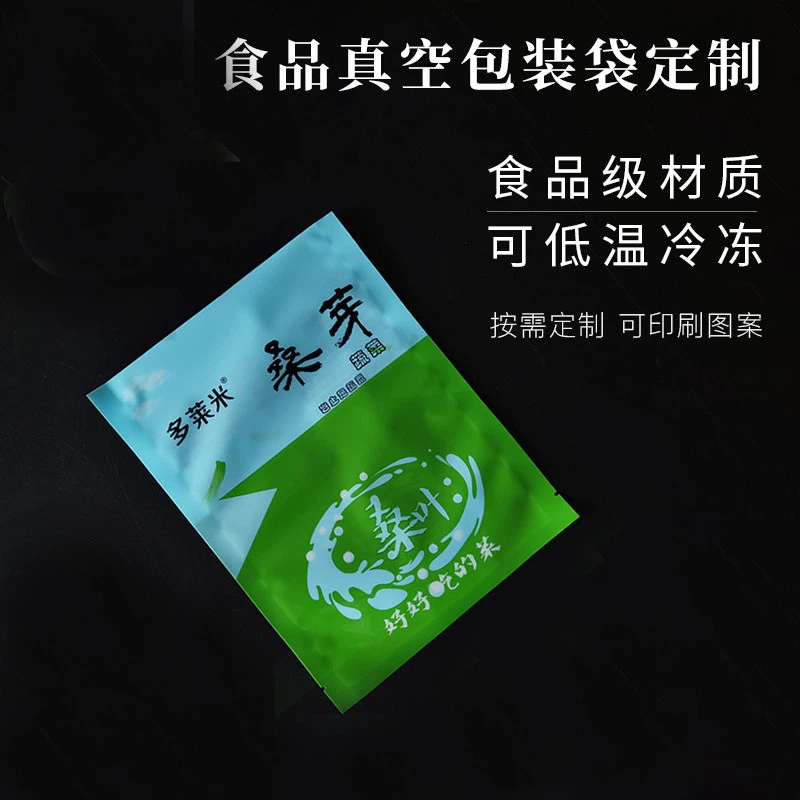
- Weight Check: The weight of each pouch should be checked to ensure that it meets the specified weight. This can be done using a scale.
- Appearance Check: The appearance of each pouch should be checked to ensure that it is free from defects, such as holes, tears, or wrinkles.
- Seal Integrity Check: The seal integrity of each pouch should be checked to ensure that it is airtight and leak-proof. This can be done by performing a visual inspection or using a seal integrity tester.
Conclusion
Ensuring the proper filling of rice into packaging pouches is a critical step in the rice packaging process. By choosing the right packaging pouch, preparing the rice properly, filling the rice accurately, sealing the pouches effectively, and performing quality control checks, you can ensure that your rice products are of the highest quality and meet the expectations of your customers.
If you're interested in learning more about our Rice Packaging Pouches or have any questions about the rice packaging process, please don't hesitate to contact us. We'd be happy to discuss your specific needs and provide you with a customized solution.
References
- Packaging Machinery Manufacturers Institute (PMMI). (2023). Packaging Machinery Technology Roadmap.
- Institute of Food Technologists (IFT). (2023). Food Packaging: Principles and Practice.
- American Society of Agricultural and Biological Engineers (ASABE). (2023). Agricultural and Food Processing Machinery Standards.


