


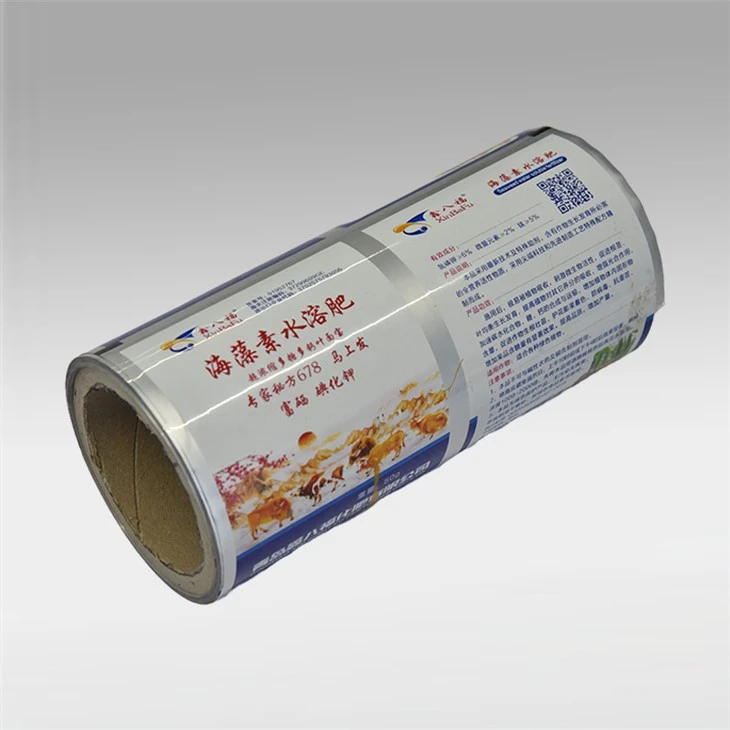
Hey there! I'm a supplier of Laser Composite Film, and today I wanna chat with you about how to dispose of this stuff properly. Laser Composite Film, you can learn more about it here, is a pretty useful material in various industries. But just like any other product, we need to make sure we're getting rid of it in the right way to protect our environment.
First off, let's understand what Laser Composite Film is. It's a composite material that combines different layers to achieve specific properties, like high strength, good barrier performance, and excellent printability. It's widely used in packaging, printing, and other fields. You might also be interested in Single Layer Printing Film, which has its own unique applications.
Now, when it comes to disposing of Laser Composite Film, there are a few things we need to keep in mind. The first step is to separate it from other waste. This film often contains different types of polymers and additives, so it's important to keep it distinct from general waste, such as paper, glass, and metal. You don't want it mixing with stuff that can be recycled easily in a different way.
One of the most common disposal methods is recycling. Recycling Laser Composite Film helps reduce the amount of waste going to landfills and conserves natural resources. However, recycling this film can be a bit tricky because of its composite nature. Not all recycling facilities are equipped to handle it.
Before sending the film for recycling, it's a good idea to check with local recycling centers. Some centers have the technology and processes to break down the composite layers and recycle the individual components. They might use methods like mechanical recycling, where the film is shredded, melted, and reformed into new products. But others may not accept it at all. So, do your homework and find out which places can take your Laser Composite Film.
If recycling isn't an option in your area, another alternative is incineration. Incinerating the film can generate energy, which is a positive aspect. But it also has its drawbacks. When burned, Laser Composite Film can release harmful chemicals and pollutants into the air if not done properly. That's why it's crucial to use incineration facilities that are well - regulated and have advanced pollution control systems. These facilities can minimize the environmental impact by filtering out the bad stuff before the exhaust is released.
Landfilling should be the last resort. Landfills are filling up fast, and Laser Composite Film doesn't break down easily in landfills. It can stay there for a long time, taking up space and potentially leaching chemicals into the soil and groundwater. If you really have no other choice but to landfill the film, make sure it's properly contained to prevent any leakage.
Now, let's talk about some best practices for handling Laser Composite Film during its life cycle to make disposal easier. When you're using the film, try to reduce waste as much as possible. For example, order the right amount of film for your projects. Overordering leads to excess material that will eventually need to be disposed of.
Also, proper storage of the film is important. Keep it in a dry and clean place to prevent contamination. Contaminated film is harder to recycle or dispose of properly. If the film gets dirty with food, chemicals, or other substances, it can mess up the recycling or incineration processes.
Another thing to consider is the end - of - life design of products made with Laser Composite Film. Manufacturers can play a big role here. They can design products in a way that makes it easier to separate the composite layers at the end of the product's life. This would greatly improve the recyclability of the film.
As a Laser Composite Film supplier, I'm committed to promoting sustainable disposal methods. I work with my customers to provide information on how to handle the film throughout its life cycle. I also encourage them to explore recycling options and find solutions that work for their specific situations.
If you're in the market for Laser Composite Film or have questions about its disposal, I'd love to have a chat with you. Whether you're a small business or a large corporation, I can offer you high - quality products and advice on how to manage the waste properly.

In conclusion, disposing of Laser Composite Film properly is essential for environmental protection. We have options like recycling, incineration, and landfilling, but we need to choose the most appropriate one based on our local resources and regulations. By following the best practices and working together, we can make a positive impact on the planet. So, if you're interested in purchasing Laser Composite Film or need more info, don't hesitate to reach out. Let's work together to make our use of this material as sustainable as possible.
References
- General knowledge about polymer waste management and recycling.
- Industry reports on the disposal of composite films.


