


Do meat packing bags have a tamper - evident feature?
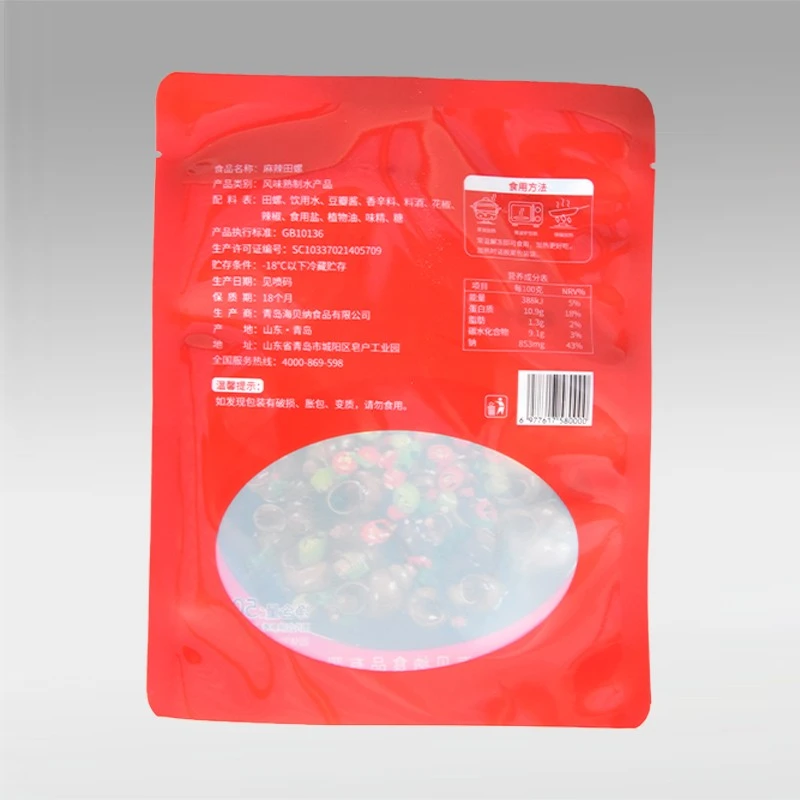
Hey there! I'm a supplier of meat packing bags, and today I want to dig into the question of whether meat packing bags have a tamper - evident feature. It's a topic that's super important, especially when it comes to food safety and consumer trust.
Let's start by understanding what a tamper - evident feature is. In simple terms, it's a characteristic of a packaging that shows if the package has been opened or interfered with. This could be a seal that breaks or changes appearance when someone tries to open the bag. For meat packing, this is crucial because meat is a perishable product. If a bag has been tampered with, there's a risk that the meat inside could be contaminated, leading to health issues for the consumers.
Now, not all meat packing bags come with a tamper - evident feature. There are a few reasons for this. Firstly, cost plays a big role. Adding a tamper - evident feature to the bags usually means extra production costs. For some small - scale meat producers, this might be a deal - breaker as they're trying to keep their costs down.
But on the other hand, more and more meat suppliers are realizing the importance of having tamper - evident bags. Consumers are becoming more aware of food safety issues, and they're willing to pay a bit more for meat that comes in a package with a visible sign of security.
There are different types of tamper - evident features that can be added to meat packing bags. One common type is the tear - strip seal. When you try to open the bag, the tear - strip breaks, leaving a clear indication that the bag has been opened. Another option is a heat - sealed label that shows a void pattern or text when it's removed. This makes it obvious if someone has tried to peel the label off and access the meat inside.
As a meat packing bag supplier, I've seen the demand for tamper - evident bags growing steadily. Larger meat producers, in particular, are more likely to invest in these types of bags. They understand that it's not just about protecting the product but also about building a good reputation with their customers.

When it comes to choosing the right tamper - evident feature for meat packing bags, there are a few things to consider. First of all, the feature should be reliable. It needs to work consistently, so that any tampering is clearly visible. Secondly, it should be easy to use for both the meat producers and the consumers. If it's too complicated, it might not be practical.
Now, let's talk about the benefits of using meat packing bags with tamper - evident features. For consumers, it gives them peace of mind. They can be confident that the meat they're buying hasn't been tampered with. This is especially important when it comes to raw meat, which can carry harmful bacteria.
For meat producers, using tamper - evident bags can help reduce the risk of product returns. If a consumer suspects that a bag has been tampered with, they're likely to return the product. By using bags with visible security features, producers can avoid these situations and save money in the long run.

In addition to meat packing bags, we also offer a range of other food packaging bags. Check out our Vegetable Packing Bags, Seafood Packaging Bag, and Tangyuan Packaging Bag. These bags are also designed with food safety in mind and can be customized to meet your specific needs.
If you're in the market for high - quality meat packing bags, whether with or without tamper - evident features, we'd love to hear from you. We have a team of experts who can help you choose the right bags for your business. Contact us to start a discussion about your packaging requirements and get a quote.
In conclusion, while not all meat packing bags have a tamper - evident feature, the trend is moving towards more secure packaging. With the increasing focus on food safety, it makes sense for both meat producers and consumers to opt for bags that offer visible signs of security.
References:
- Food Packaging Handbook, Second Edition, edited by Owen R. Fennema.
- Packaging Technology, by Geoff Coles.


