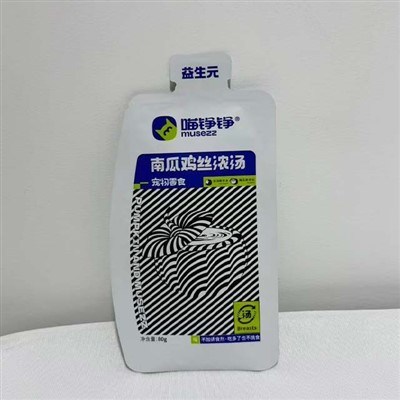
1. Understand the standards for biodegradable bags: According to the interpretation of the national standard "Degradability and Labeling Requirements for Biodegradable Plastics and Products", biodegradable bags need to meet specific degradation performance requirements and labeling requirements. Make sure the selected product meets national standards, such as GB/T 41010-2021.
2. Check the material: True biodegradable bags are usually made of bio-based materials such as polylactic acid (PLA), polybutylene adipate terephthalate (PBAT) or starch. Avoid products that contain traditional plastic PE and add oxidative degradation additives, as they may not degrade completely.
3. Check the label: compliant biodegradable bags should have clear labels, including materials, degradation environment conditions, product standard number, etc. The new national standard requires that the biodegradable plastic label should be marked with a "double J" graphic.
4. Consider degradation conditions: Different biodegradable bags may require different degradation conditions, such as industrial composting, home composting, soil or freshwater environment. Choose a product that is suitable for the environment where you plan to dispose of the bag.
5. Price comparison: Biodegradable bags are usually more expensive than traditional plastic bags, but prices are gradually falling with technological advances and market competition. Compare prices of different products, but don't sacrifice quality.
6. Transparency and credibility: Choose reputable brands and merchants, check product reviews and third-party certifications such as DIN CERTCO, BPI (Biodegradable Products Institute), etc.
7. Avoid misleading labels: Some products may be labeled "degradable" or "biodegradable", but in fact may not meet strict standards. Check product descriptions and labels carefully to avoid being misled.
8. Consider alternatives: If possible, consider using reusable cloth bags, paper bags or other non-plastic packaging to reduce the use of disposable packaging.
9. Pay attention to policies and regulations: Different regions may have different regulations and policies that restrict or encourage the use of biodegradable bags. Understand local regulations and ensure that your choice meets legal requirements.
10. Conduct testing: If possible, ask suppliers to provide samples for degradation testing to verify their performance.