


Hey there, snack lovers and fellow business folks! If you're in the snack game, you know how crucial it is to seal those packaging bags properly. I'm a supplier of snack packaging bags, and I've seen it all - from bags that burst open during transit to snacks that go stale way too soon because of a dodgy seal. Today, I'm gonna share some tips on how to seal a snack packaging bag properly, so your snacks stay fresh and appealing.
First off, let's talk about why a proper seal is so important. When you seal a snack bag correctly, you're creating a barrier that keeps out air, moisture, and other contaminants. This helps to preserve the flavor, texture, and quality of the snacks inside. A good seal also prevents the snacks from leaking out, which can be a real mess and a waste of product. Plus, it gives your snacks a professional look, which can make them more attractive to customers.
Now, let's get into the nitty-gritty of how to seal a snack bag. There are a few different methods you can use, depending on the type of bag and the equipment you have available.
Heat Sealing
Heat sealing is one of the most common methods for sealing snack packaging bags. It works by applying heat to the plastic film of the bag, which melts the material and fuses the two sides together. To heat seal a bag properly, you'll need a heat sealer. There are different types of heat sealers available, from handheld ones for small-scale operations to industrial machines for large factories.
Here's how you do it:
- Prepare the bag: Make sure the bag is clean and free of any debris or food particles. This will ensure a good seal.
- Position the bag: Place the bag in the heat sealer so that the area you want to seal is aligned with the heating element.
- Set the temperature and time: Different types of plastic films require different temperatures and sealing times. Refer to the manufacturer's instructions for your heat sealer and the type of bag you're using to set the correct settings.
- Seal the bag: Close the heat sealer and apply pressure for the recommended time. Once the time is up, open the sealer and check the seal. It should be smooth and strong, with no gaps or wrinkles.
Heat sealing is a great option because it creates a strong, airtight seal that can keep snacks fresh for a long time. However, it does require some equipment and can be a bit tricky to get the settings just right.
Zipper Sealing
Zipper sealing is another popular method for snack packaging bags, especially for bags that are meant to be reused. Zipper bags are convenient for consumers because they can easily open and close the bag to access the snacks.
To zipper seal a bag properly:
- Clean the zipper: Make sure the zipper is clean and free of any debris. You can use a damp cloth to wipe it down if necessary.
- Align the zipper: Place the two sides of the zipper together so that they are properly aligned.
- Zip up the bag: Slowly zip up the bag from one end to the other, making sure the zipper is fully engaged. You can use your fingers to press down on the zipper as you go to ensure a tight seal.
Zipper sealing is easy and straightforward, but it may not provide as airtight a seal as heat sealing. If you're using zipper bags for snacks that need to stay fresh for a long time, you may want to consider using an additional sealing method, such as heat sealing around the edges of the zipper.
Adhesive Sealing
Adhesive sealing involves using an adhesive to seal the bag. This method is often used for paper or cardboard snack packaging bags. There are different types of adhesives available, such as hot melt adhesives and pressure-sensitive adhesives.
To adhesive seal a bag:
- Apply the adhesive: Use a glue gun or other adhesive applicator to apply the adhesive to the edges of the bag where you want to seal it. Make sure to apply the adhesive evenly.
- Press the edges together: Once the adhesive is applied, press the two edges of the bag together firmly. Hold them in place for a few seconds to allow the adhesive to bond.
Adhesive sealing can be a quick and easy method, but it may not be as strong as heat sealing or zipper sealing. It's also important to choose the right adhesive for the type of bag and the contents inside.
So, now that you know how to seal a snack packaging bag properly, what kind of bags should you use? As a snack packaging bag supplier, I recommend some of our top products:
- Custom Printed Matte Snack Packaging Bags For Potato Chips - Back Seal Packaging Bags With Hanging Holes And Easy-tear Openings: These bags are perfect for potato chips and other crispy snacks. The matte finish gives them a sleek and modern look, and the back seal design provides a strong and secure seal. The hanging holes make them easy to display on store shelves, and the easy-tear openings make them convenient for consumers.
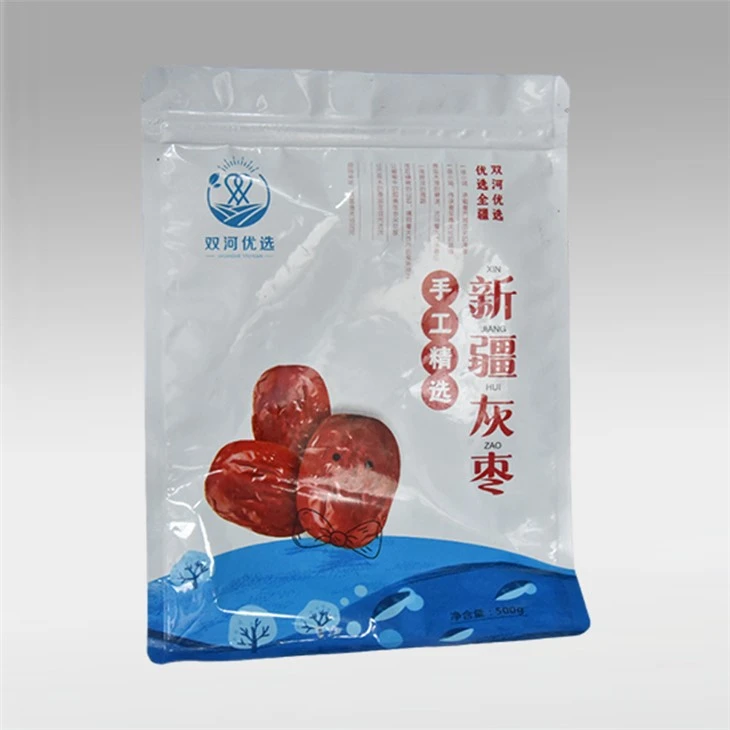
- Packing Bags for Dry Fruits: If you're packaging dry fruits, these bags are a great choice. They are made from a high-quality material that provides excellent protection against moisture and oxygen, keeping your dry fruits fresh and delicious.
- Self-standing Transparent Snack Bag: These bags are ideal for snacks that you want to showcase. The transparent design allows customers to see the contents inside, and the self-standing feature makes them easy to display on store shelves.
In conclusion, sealing a snack packaging bag properly is essential for keeping your snacks fresh, preventing leaks, and giving your products a professional look. Whether you choose heat sealing, zipper sealing, or adhesive sealing, make sure to follow the proper techniques and use the right equipment and materials. And if you're looking for high-quality snack packaging bags, don't hesitate to reach out to us. We're here to help you find the perfect packaging solutions for your snacks. Contact us today to discuss your needs and get a quote.

References
- Packaging Industry Magazines
- Manufacturer's Guides for Packaging Equipment
- Academic Papers on Food Packaging Technology


