


Hey there! As a printed film supplier, I know how crucial color consistency is in the world of printed films. Whether it's for packaging, labels, or any other application, getting the colors just right is key to making a great impression on customers. In this blog post, I'm gonna share some tips and tricks on how to ensure the color consistency of printed film.
Understanding the Basics of Color in Printed Film
Before we dive into the nitty - gritty of ensuring color consistency, let's first understand a bit about how color works in printed film. Color in printed film is typically achieved through a combination of inks. The most common printing methods for film include flexography, gravure, and digital printing. Each method has its own way of applying inks to the film, which can affect color reproduction.
The color of the film itself also plays a role. Some films have a natural tint that can alter the appearance of the printed colors. For example, a clear film might have a slight yellowish or bluish tint, which can make the printed colors look different than expected.
Starting with High - Quality Inks
One of the first steps in ensuring color consistency is to use high - quality inks. Cheap or low - quality inks can vary in color from batch to batch, which will obviously mess up your color consistency. When choosing inks, look for suppliers who have a good reputation for providing consistent products.
It's also important to store the inks properly. Inks should be kept in a cool, dry place away from direct sunlight. Exposure to heat and light can cause the inks to change color over time. And make sure to check the expiration dates on the ink containers. Using expired inks can lead to inconsistent color results.
Color Calibration
Color calibration is a must - do process. It involves adjusting the printing equipment so that it reproduces colors accurately. Most modern printing presses come with built - in color calibration systems, but it's still a good idea to have a professional calibrate the equipment regularly.
A colorimeter or spectrophotometer can be used to measure the color of the printed film and compare it to a standard color. These tools can provide precise measurements of color values such as hue, saturation, and brightness. By using these measurements, you can make adjustments to the printing process to ensure that the colors match the desired standards.
Standardizing the Printing Process
Consistency in the printing process is vital for color consistency. This means keeping all the variables in the printing process as stable as possible. For example, the temperature and humidity in the printing environment can affect the way the inks dry and adhere to the film. Try to maintain a consistent temperature and humidity level in the printing area.
The pressure applied during printing also matters. If the pressure is too high or too low, it can cause variations in the amount of ink transferred to the film, resulting in color differences. Make sure to set the pressure correctly and check it regularly during the printing run.
Using Color Management Software
Color management software can be a real game - changer. It allows you to create and manage color profiles for your printing jobs. These profiles contain information about the colors used in a particular job, such as the ink formulation, the printing method, and the target color values.
With color management software, you can preview how the colors will look on the printed film before actually printing. This helps you catch any potential color issues early on and make adjustments as needed. It also allows you to save the color profiles for future jobs, ensuring that you can reproduce the same colors consistently.
Testing and Sampling
Before starting a large - scale printing job, it's always a good idea to do some test prints and sampling. Print a small batch of the film and carefully examine the colors. Check for any color variations or inconsistencies. If you notice any problems, make the necessary adjustments to the printing process before moving on to the full - scale production.
You can also send samples to your customers for approval. This gives them a chance to see the colors in person and provide feedback. It's better to address any color concerns at this stage rather than after the entire job is printed.
Case Studies: How Color Consistency Affects Business
Let's take a look at a couple of real - world examples. Imagine a food company that uses printed film for their packaging. They have a specific brand color that they want to use on all their products. If the color of the printed film is inconsistent, it can make the products look unprofessional and can even lead to a loss of customer trust.
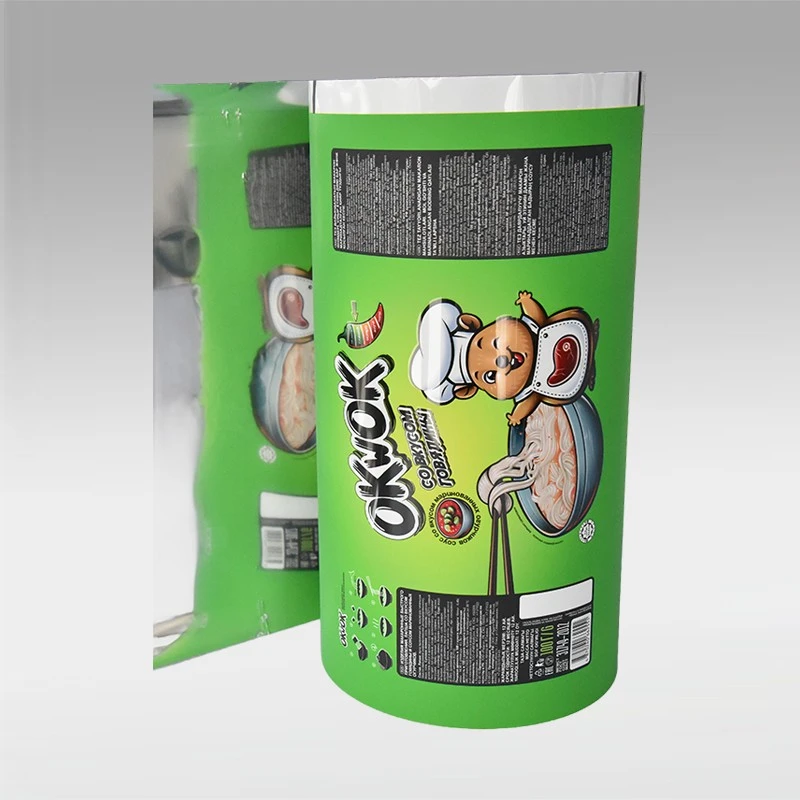
On the other hand, a company that manages to maintain excellent color consistency can enhance its brand image. Customers are more likely to recognize and trust a brand that has a consistent look across all its products. For instance, if you're a supplier of Instant Noodle Roll Film, consistent colors on the packaging can make the noodles more appealing on the store shelves.
Similarly, for Food Roll Film, color consistency is crucial. Food packaging often uses bright and attractive colors to catch the consumer's eye. Inconsistent colors can make the product look less appealing and may even give the impression of poor quality.

Conclusion
Ensuring color consistency in printed film is not an easy task, but it's definitely achievable. By using high - quality inks, calibrating the printing equipment, standardizing the printing process, using color management software, and doing proper testing and sampling, you can significantly improve the color consistency of your printed films.
If you're in the market for high - quality printed films with consistent colors, we'd love to talk to you. Whether you need Instant Noodle Roll Film or Food Roll Film, we've got you covered. Reach out to us to start a procurement discussion and let's work together to bring your vision to life!
References
- "Principles of Printing Technology" by John Smith
- "Color Science: Concepts and Methods, Quantitative Data and Formulae" by Gunter Wyszecki and W. S. Stiles
- Industry whitepapers on printed film color management


