


In the world of tea, packaging is not just about containing the product; it's a crucial element that conveys information to consumers and influences their purchasing decisions. As a supplier of Tea Packaging Bag, I often encounter the question: Do tea packaging bags need to be labeled with the tea grade? This blog post aims to explore this topic in depth, considering various perspectives from both the industry and consumer sides.
The Significance of Tea Grades
Tea grades play a vital role in the tea industry. They are used to classify teas based on factors such as the quality of the leaves, the method of processing, and the overall flavor profile. Higher grades of tea typically have better quality leaves, more complex flavors, and are often more expensive. For example, in the case of black tea, the Orange Pekoe grade is considered a high - quality grade, known for its large, whole leaves and smooth taste.
From a consumer's perspective, tea grades provide a quick way to understand the quality and expected flavor of the tea. When browsing through a store or an online tea shop, a consumer can use the grade label to make an informed decision about which tea to purchase. A novice tea drinker might rely on the grade to choose a tea that suits their taste preferences, while a more experienced tea connoisseur can use it to compare different teas and select the ones that meet their high - end expectations.
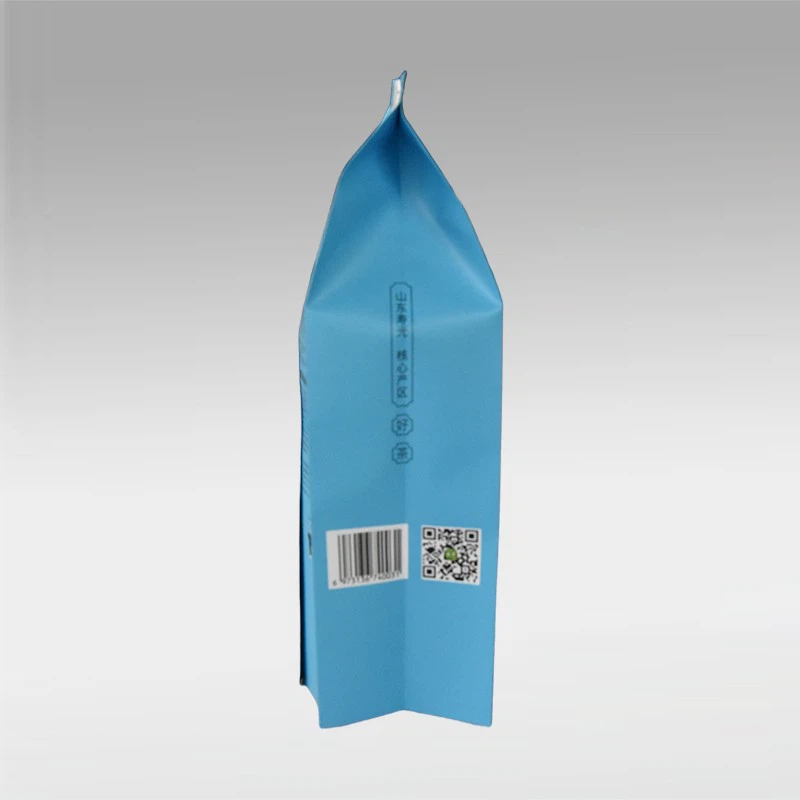

Regulatory Requirements
In many countries, there are regulations regarding food labeling, which also apply to tea. These regulations often require certain information to be included on the packaging, such as the name of the product, the ingredients, the net weight, and the country of origin. However, the requirement to label tea grades varies from region to region.
Some countries have strict regulations that mandate the inclusion of tea grades on the packaging. This is done to protect consumers from false advertising and to ensure that they receive the quality of tea they are paying for. For example, in Japan, where tea is highly regarded and has a long - standing cultural significance, tea grades are clearly defined and must be accurately labeled on the packaging.
On the other hand, in some regions, there are no specific regulations regarding tea grade labeling. In these areas, tea producers have more flexibility in deciding whether to include the grade on the packaging. However, even in the absence of regulatory requirements, many producers choose to label the tea grade to provide more information to consumers and to enhance the marketability of their products.
Marketing and Branding
From a marketing and branding perspective, labeling tea grades on the packaging can be a powerful tool. A high - grade tea label can attract consumers who are willing to pay a premium for quality. It can also help to differentiate a brand's products from competitors. For example, a tea company that specializes in high - end, premium teas can use the grade label to emphasize the superior quality of their offerings.
Moreover, tea grade labeling can contribute to building brand trust. When consumers see a clear and accurate grade label on the packaging, they are more likely to trust the brand and become repeat customers. A brand that is transparent about the tea grades it offers is perceived as more honest and reliable, which can lead to increased customer loyalty.
However, there are also potential drawbacks to tea grade labeling in marketing. If a brand mislabels the tea grade or uses unclear grading standards, it can damage the brand's reputation. Consumers who feel deceived by inaccurate grade labeling are likely to switch to other brands. Therefore, it is essential for tea producers and packaging suppliers to ensure that the grade labels are accurate and consistent.
Challenges in Tea Grade Labeling
One of the main challenges in tea grade labeling is the lack of a universal grading system. Different countries and regions have their own grading standards, which can be confusing for consumers. For example, the grading system for green tea in China is different from that in India. This makes it difficult for tea producers to label their products in a way that is easily understandable for a global audience.
Another challenge is the subjectivity of tea grading. Tea grading is often based on sensory evaluation, which can vary from person to person. Two tea tasters might assign different grades to the same tea based on their individual preferences and experiences. This subjectivity can make it challenging to establish consistent and objective grading standards.
As a Tea Packaging Bag supplier, we need to work closely with tea producers to address these challenges. We can provide packaging solutions that allow for clear and detailed grade labeling, while also ensuring that the information is presented in a way that is easy for consumers to understand.
Our Packaging Solutions
At our company, we understand the importance of tea grade labeling and its impact on both tea producers and consumers. We offer a wide range of Tea Packaging Bag options that are designed to accommodate grade labeling. Our packaging bags are made from high - quality materials that protect the tea from moisture, light, and oxygen, ensuring that the tea retains its flavor and quality.
We also provide customization services, allowing tea producers to print the tea grade label directly on the packaging bag. Our state - of - the - art printing technology ensures that the grade label is clear, accurate, and visually appealing. Whether it's a simple grade label or a more detailed description of the tea grade, we can help tea producers to present the information in the best possible way.
In addition to tea packaging bags, we also offer other types of packaging solutions, such as Gamment Packaging Bag and Sports Nutrition Food Packaging Bags. Our diverse product range allows us to meet the packaging needs of different industries.
Conclusion
In conclusion, whether tea packaging bags need to be labeled with the tea grade depends on a variety of factors, including regulatory requirements, marketing strategies, and consumer preferences. While there are challenges in tea grade labeling, such as the lack of a universal grading system and subjectivity in grading, it can provide significant benefits in terms of consumer information, marketing, and brand building.
As a Tea Packaging Bag supplier, we are committed to providing high - quality packaging solutions that support accurate and effective tea grade labeling. We believe that by working closely with tea producers, we can help to ensure that consumers have access to clear and reliable information about the tea they are purchasing.
If you are a tea producer or a business in the tea industry and are interested in our packaging solutions, we invite you to contact us for a consultation. We can discuss your specific needs and provide customized packaging options that meet your requirements.
References
- "The World of Tea: History, Culture, and Science" by Jane Pettigrew
- "Tea Grading and Quality Control" by International Tea Research Foundation
- "Food Labeling Regulations around the World" by World Health Organization


