


As a supplier of seafood packaging bags, one of the most common questions I encounter is whether our products have a certain strength to prevent tearing. This is a crucial concern for both seafood producers and consumers as the integrity of the packaging directly impacts the quality and safety of the seafood inside. In this blog, I will delve into the factors that contribute to the strength of our seafood packaging bags and explain why they are reliable in preventing tearing.
Material Selection
The first and foremost factor in determining the strength of seafood packaging bags is the material used. We carefully select high - quality materials that are specifically designed to withstand the rigors of seafood packaging. Most of our bags are made from multi - layer films. For instance, polyethylene (PE) is a popular choice. High - density polyethylene (HDPE) offers excellent tensile strength, which means it can resist being pulled apart. It has a high molecular weight, which results in a more tightly packed molecular structure, giving the material the ability to withstand significant force without tearing.
Another material we often incorporate is polypropylene (PP). PP has good stiffness and impact resistance. When combined with other layers in a multi - layer film, it adds to the overall strength of the packaging bag. These multi - layer films are engineered in such a way that each layer contributes a different property, such as moisture resistance, oxygen barrier, and strength. For example, an inner layer might be designed to be in direct contact with the seafood and resist moisture, while an outer layer provides the necessary strength to prevent tearing.
Manufacturing Process
The manufacturing process also plays a vital role in the strength of our seafood packaging bags. We use advanced extrusion and lamination techniques. During the extrusion process, the plastic materials are melted and forced through a die to form a continuous film. The precision of this process ensures that the film has a uniform thickness. A uniform thickness is essential because any thin spots in the film can become weak points where tearing is more likely to occur.
Lamination involves bonding multiple layers of films together. This process is carried out under carefully controlled conditions, including temperature and pressure. Strong adhesives are used to ensure a firm bond between the layers. A well - laminated multi - layer bag has enhanced strength compared to a single - layer bag. The bonding between the layers distributes the stress evenly across the bag, reducing the likelihood of tearing at a single point.
Design Considerations
Our seafood packaging bags are designed with strength in mind. We take into account the typical handling and storage conditions of seafood products. For example, the bags have reinforced edges. These reinforced edges are created by folding or adding extra layers of material along the sides of the bag. This makes the edges more resistant to tearing, especially when the bag is being opened or closed, or when it is stacked with other products.
We also pay attention to the shape of the bag. Bags with rounded corners are less likely to tear compared to those with sharp corners. Sharp corners can concentrate stress, making them more vulnerable to tearing. Our rounded - corner designs help to distribute the stress evenly across the bag, enhancing its overall strength.
Testing and Quality Control
Before our seafood packaging bags are released to the market, they undergo rigorous testing. We conduct tear strength tests using specialized equipment. These tests measure the force required to tear the bag in different directions. We also perform puncture resistance tests to ensure that the bag can withstand sharp objects that might come into contact with it during handling, such as the fins or shells of seafood.
In addition to these mechanical tests, we also test the bags under simulated real - world conditions. For example, we subject the bags to temperature and humidity variations similar to those they might experience during transportation and storage. This helps us to identify any potential weaknesses in the bag's strength under different environmental conditions. Only bags that meet our strict quality standards are approved for sale.
Comparison with Other Food Packaging Bags
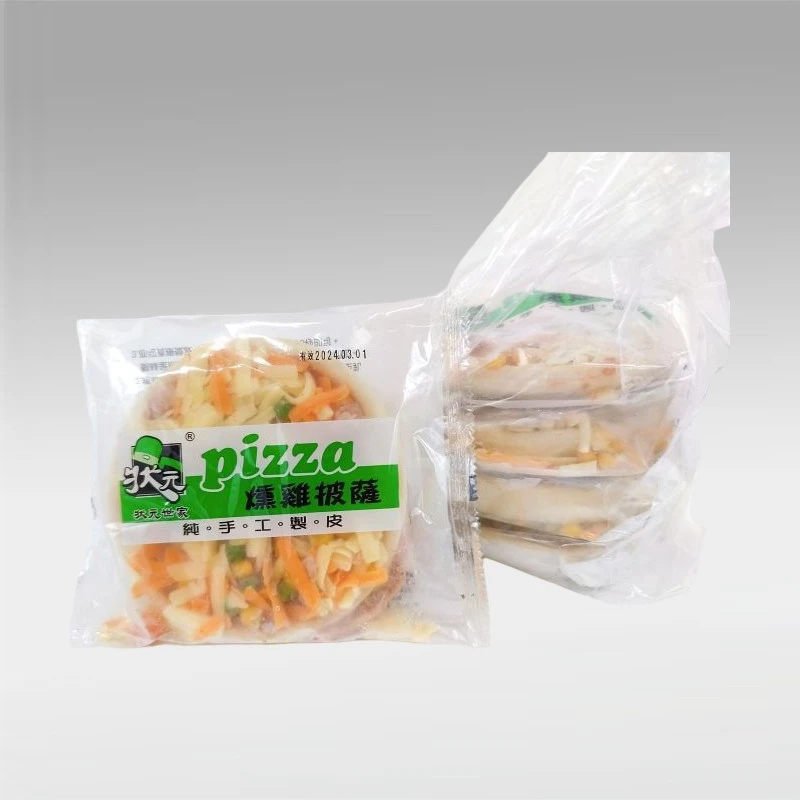
When compared to other types of food packaging bags, such as Sausage Packaging Bag and Pizza Frozen Food Packaging Bags, our seafood packaging bags are designed to meet the unique challenges of seafood packaging. Seafood often has sharp parts and can be wet, which puts more stress on the packaging. Our bags are engineered to handle these conditions better.
For example, sausage packaging bags might be more focused on maintaining a good seal and preventing flavor transfer, while our seafood bags need to have high tear strength to protect against the sharp edges of seafood. Similarly, pizza frozen food packaging bags are designed to keep the pizza fresh and prevent it from sticking to the bag. Our seafood bags, on the other hand, are built to withstand the weight and movement of seafood, as well as the potential damage from its sharp components.
Impact on Seafood Quality and Safety
The strength of our seafood packaging bags has a direct impact on the quality and safety of the seafood. A torn bag can expose the seafood to air, moisture, and bacteria. This can lead to spoilage, loss of flavor, and potential health risks for consumers. By preventing tearing, our packaging bags help to maintain the freshness and quality of the seafood for a longer period.
The bags also protect the seafood during transportation and storage. Seafood products are often handled roughly during these processes, and a strong packaging bag can prevent damage to the product. This ensures that the seafood reaches the consumers in the best possible condition.
Industry Standards and Regulations
Our seafood packaging bags comply with all relevant industry standards and regulations. These standards set minimum requirements for the strength and safety of food packaging. For example, there are regulations regarding the amount of force a bag should be able to withstand without tearing. By adhering to these standards, we ensure that our customers can trust the quality and strength of our products.
Conclusion
In conclusion, our seafood packaging bags have a high level of strength to prevent tearing. Through careful material selection, advanced manufacturing processes, thoughtful design, and strict quality control, we have created packaging bags that can withstand the challenges of seafood packaging. Whether it's the sharp edges of seafood, the rough handling during transportation, or the environmental conditions, our bags are up to the task.
If you are in the seafood industry and are looking for reliable packaging solutions, we invite you to contact us for a procurement discussion. We are committed to providing you with high - quality seafood packaging bags that meet your specific needs.
References
- Packaging Technology for Food Products, Second Edition. Edited by Owen R. Fennema.
- Plastic Films: Technology and Packaging Applications. By Frank A. Paine.


