


As a pet packaging bags supplier deeply involved in the industry, I've witnessed firsthand the ever - evolving demands of pet product packaging. One question that frequently surfaces is: "Do pet packaging bags need to be fungus - resistant?" This blog post aims to delve into this topic and provide a comprehensive answer.

The Importance of Pet Packaging Bags
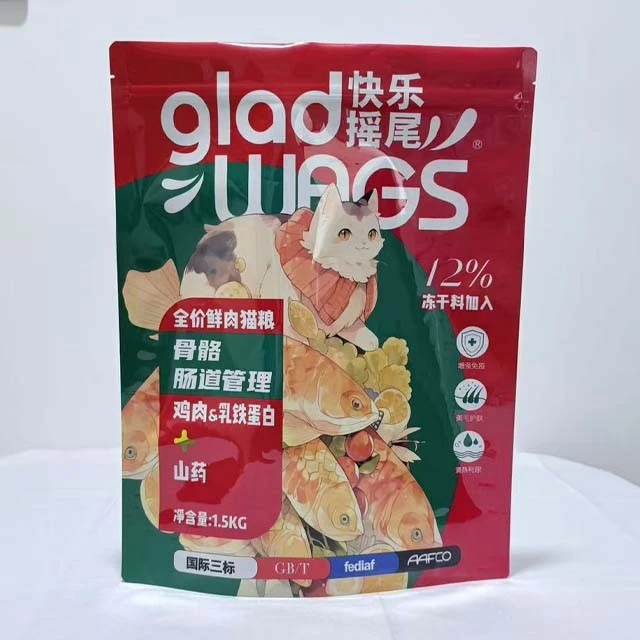
Pet packaging bags serve multiple purposes. Firstly, they are designed to protect the contents, whether it's pet food, treats, or cleaning products. For instance, the Full - price Fresh Meat Cat Food in Individual Packaging requires packaging that can maintain its freshness and nutritional value. The packaging also plays a crucial role in preventing spillage and damage during transportation and storage.
Secondly, pet packaging bags are a key marketing tool. eye - catching designs and high - quality materials can attract consumers' attention on the shelf. Consider the Custom Printed Pet Food Packaging Bags Myna Nutritious Food Packaging Butterfly Zipper Flat - Bottom Bags. These custom - printed bags not only hold the product but also convey brand information and build brand identity.
Why Fungus Resistance Matters
- Preservation of Product Quality: Many pet products, especially food and treats, are organic in nature. They contain ingredients such as grains, meats, and vegetables that are susceptible to fungal growth. When fungi develop in pet food, they can cause spoilage. The food may lose its flavor, texture, and nutritional value. In some cases, certain fungi can produce mycotoxins, which are harmful to pets' health. For example, aflatoxins produced by Aspergillus fungi can cause liver damage in dogs and cats. Fungus - resistant packaging can act as a barrier, reducing the risk of fungal contamination and ensuring that the pet food remains fresh and safe for consumption.
- Extended Shelf Life: Fungal growth is one of the main factors that limit the shelf life of pet products. By using fungus - resistant packaging, the time that pet products can be stored without spoilage can be significantly extended. This is beneficial not only for pet owners who may buy in bulk but also for retailers who need to manage their inventory effectively.
- Consumer Confidence: When pet owners see that the packaging of pet products is designed to resist fungus, they feel more confident about the quality and safety of the product. This can lead to increased brand loyalty and repeat purchases.
Factors Affecting Fungal Growth in Pet Packaging Bags
- Moisture: Moisture is a critical factor for fungal growth. Many pet products contain a certain amount of moisture, and if the packaging does not prevent the ingress of additional moisture from the environment, fungi can thrive. For example, if a pet food bag is exposed to high - humidity conditions and the packaging is not moisture - and fungus - resistant, the food inside may start to mold.
- Temperature: Fungi grow best within a certain temperature range. In general, warm and humid conditions are ideal for their proliferation. Pet products may be stored in a variety of environments, from home pantries to warehouses, where temperature control may not be perfect. Packaging that can mitigate the effects of temperature fluctuations can help prevent fungal growth.
- Oxygen: Although some fungi are anaerobic, many common fungi that affect pet products require oxygen to grow. Packaging that can reduce the amount of oxygen exposure, such as vacuum - sealed or modified - atmosphere packaging, can slow down fungal growth.
How to Make Pet Packaging Bags Fungus - Resistant
- Material Selection: Choosing the right materials is crucial for making fungus - resistant pet packaging bags. For example, some high - density polyethylene (HDPE) and polypropylene (PP) materials have inherent properties that make them resistant to moisture and fungi. These materials can form a physical barrier to prevent the entry of moisture and oxygen. Additionally, laminated materials that combine different layers of polymers and other substances can enhance the fungus - resistant properties.
- Coatings and Treatments: Applying special coatings or treatments to the packaging bags can also improve their fungus - resistant capabilities. For instance, some antimicrobial coatings can inhibit the growth of fungi on the surface of the packaging. These coatings can contain substances like silver nanoparticles or natural plant extracts with antifungal properties.
Applications of Fungus - Resistant Pet Packaging Bags
- Pet Food Packaging: As mentioned earlier, pet food is highly susceptible to fungal growth. Fungus - resistant packaging is essential for all types of pet food, from dry kibble to wet canned food. The Full - price Fresh Meat Cat Food in Individual Packaging benefits greatly from fungus - resistant packaging to maintain its freshness and nutritional integrity.
- Pet Treats Packaging: Pet treats, which often contain high - sugar or high - fat ingredients, are also prone to fungal spoilage. Fungus - resistant packaging can keep the treats fresh and delicious for longer periods.
- Pet Cleaner Packaging: Even pet cleaning products can benefit from fungus - resistant packaging. Some cleaners may contain organic components or be stored in environments where fungal growth is possible. The Pet Cleaner Packaging Bag can be designed with fungus - resistant features to ensure the quality of the product.
Conclusion and Call to Action
In conclusion, fungus - resistant pet packaging bags are not just a luxury but a necessity in the pet product industry. They play a vital role in preserving product quality, extending shelf life, and building consumer confidence. As a pet packaging bags supplier, we are committed to providing high - quality, fungus - resistant packaging solutions that meet the diverse needs of our customers.
If you are a pet food manufacturer, a pet treat producer, or a pet product retailer, and you are interested in our fungus - resistant pet packaging bags, we invite you to contact us for procurement and negotiation. We are here to offer you the best packaging options tailored to your specific requirements.
References
- Pitt, J. I., & Hocking, A. D. (2009). Fungi and Food Spoilage. Springer Science & Business Media.
- Han, J. H. (Ed.). (2014). Innovations in Food Packaging. Academic Press.


