


Hey there! As a supplier of Three Sides Seal Bags, I often get asked a bunch of questions about these nifty little bags. One question that pops up quite a bit is, "Are three sides seal bags resistant to UV light?" Well, let's dive right into it and find out.
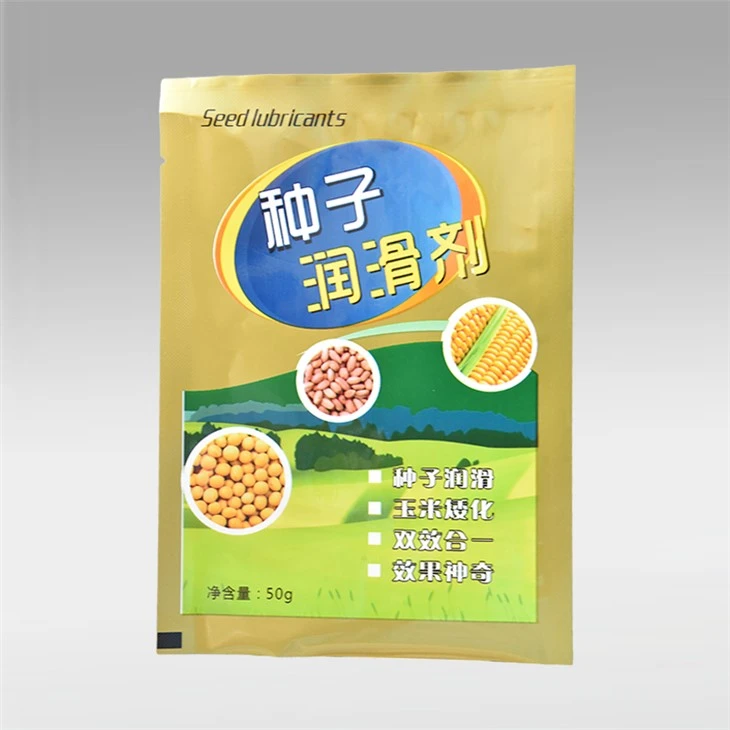
First off, let me give you a quick rundown on what Three Sides Seal Bags are. These bags are super common in the packaging world. They're sealed on three sides, leaving one side open for you to fill 'em up with whatever you need. You can use 'em for all sorts of stuff, like snacks, small parts, and even some beauty products. If you want to learn more about 'em, check out this link: Three Sides Seal Bag.
Now, let's talk about UV light. UV light, or ultraviolet light, is part of the electromagnetic spectrum that we can't see with our eyes. It comes from the sun and can also be produced artificially. There are different types of UV light, like UVA, UVB, and UVC. UVA is the most common type that reaches the Earth's surface, and it can cause all sorts of problems, like fading colors, breaking down materials, and even damaging the contents inside the bags.
So, are three sides seal bags resistant to UV light? Well, it depends. The resistance of these bags to UV light mainly depends on the materials they're made of. Most standard three sides seal bags are made from materials like polyethylene (PE), polypropylene (PP), or polyester (PET). These materials, on their own, aren't very good at blocking UV light.

Polyethylene is a widely used material for packaging because it's cheap, flexible, and easy to work with. But it's not great at protecting against UV light. Over time, exposure to UV light can cause polyethylene to become brittle, crack, and lose its strength. Polypropylene is a bit better than polyethylene, but it still has some limitations when it comes to UV resistance. Polyester, on the other hand, is more resistant to UV light compared to PE and PP, but it's also more expensive.
If you need your three sides seal bags to be resistant to UV light, there are a few things you can do. One option is to use additives in the manufacturing process. These additives can help block or absorb UV light, protecting the bag and its contents. For example, there are UV stabilizers that can be added to the plastic resin during the extrusion process. These stabilizers work by absorbing the UV light and converting it into heat, which is then dissipated.
Another option is to use a laminated structure. Instead of using a single layer of plastic, you can laminate different layers together. For example, you can have a layer of aluminum foil or a UV-blocking film laminated to the inside or outside of the bag. Aluminum foil is an excellent barrier against UV light, as well as moisture and oxygen. A UV-blocking film, on the other hand, is specifically designed to block UV rays.
Let's also compare three sides seal bags with other types of bags in terms of UV resistance. For instance, Self-standing Zipper Bag and Quad Seal Bag. These bags can also be made from similar materials as three sides seal bags, so their UV resistance will depend on the materials and any additives used. However, their design might offer some additional protection. For example, the extra seals in a quad seal bag might provide a bit more of a barrier against UV light compared to a three sides seal bag.
When it comes to choosing the right bag for your product, you need to consider a few factors. First, think about the nature of your product. If your product is sensitive to UV light, like certain foods, pharmaceuticals, or cosmetics, you'll definitely need a bag with good UV resistance. Second, consider your budget. Using additives or laminated structures will increase the cost of the bags, so you need to find a balance between protection and cost.
In conclusion, standard three sides seal bags aren't very resistant to UV light, but there are ways to make them more UV-resistant. Whether you choose to use additives, laminated structures, or a different type of bag altogether, it's important to make an informed decision based on your product's needs and your budget.
If you're in the market for Three Sides Seal Bags or have any questions about UV resistance, feel free to reach out. I'm here to help you find the perfect packaging solution for your business. We can have a chat about your specific requirements and see how we can customize the bags to meet your needs.
References
- Packaging Materials Handbook: A Concise Desktop Reference. This book provides in - depth information about different packaging materials and their properties, including their resistance to UV light.
- Journal of Packaging Science and Technology. Articles in this journal often cover research on the effects of UV light on packaging materials and ways to improve their UV resistance.


